Coffee Grinders 2026: The Grinder Beats the Coffee Maker
Uneven grounds make a cup bitter and sour at once. This 2026 grinder guide covers burr vs blade, espresso vs filter, stepped vs stepless, and retention.
By the Ask Versa AI Editorial Team. Ask Versa AI content is AI-assisted and editorially reviewed before publishing; specs and review sentiment are pulled live from Amazon.
The Grinder Is the Upgrade Most People Skip
Here is the part of coffee marketing that goes unsaid. Your grinder affects taste more than your brewer does. Uneven grounds extract at different rates, so the same sip reads bitter and sour at once, and no amount of fancier beans or a pricier drip machine fixes that. A uniform grind is the single biggest lever on daily coffee, and it costs less than people assume.
In 2026 capable burr grinders start cheap, premium single-dose models are everywhere, and the espresso-grinder corner of the market has exploded. The trap is not price. It is buying the wrong type of grinder for how you brew.
A brewing note up front, because it decides everything below. Filter coffee, meaning pour-over and drip, wants a medium-coarse uniform grind. Espresso wants a fine, extremely consistent grind under pressure. Those two jobs demand very different grinders, so settle your brew method before you settle your grinder.
Burr or Blade (and Only One Answer Counts)
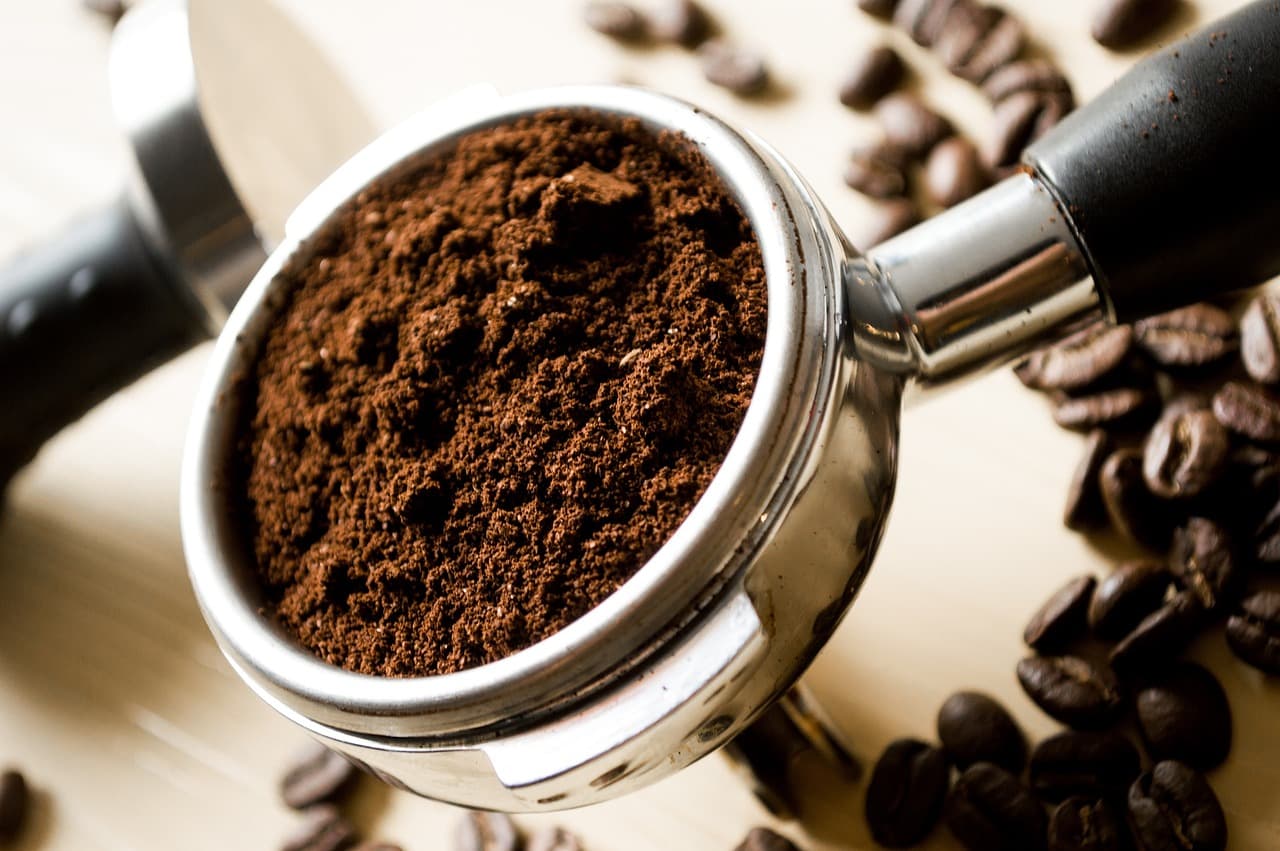
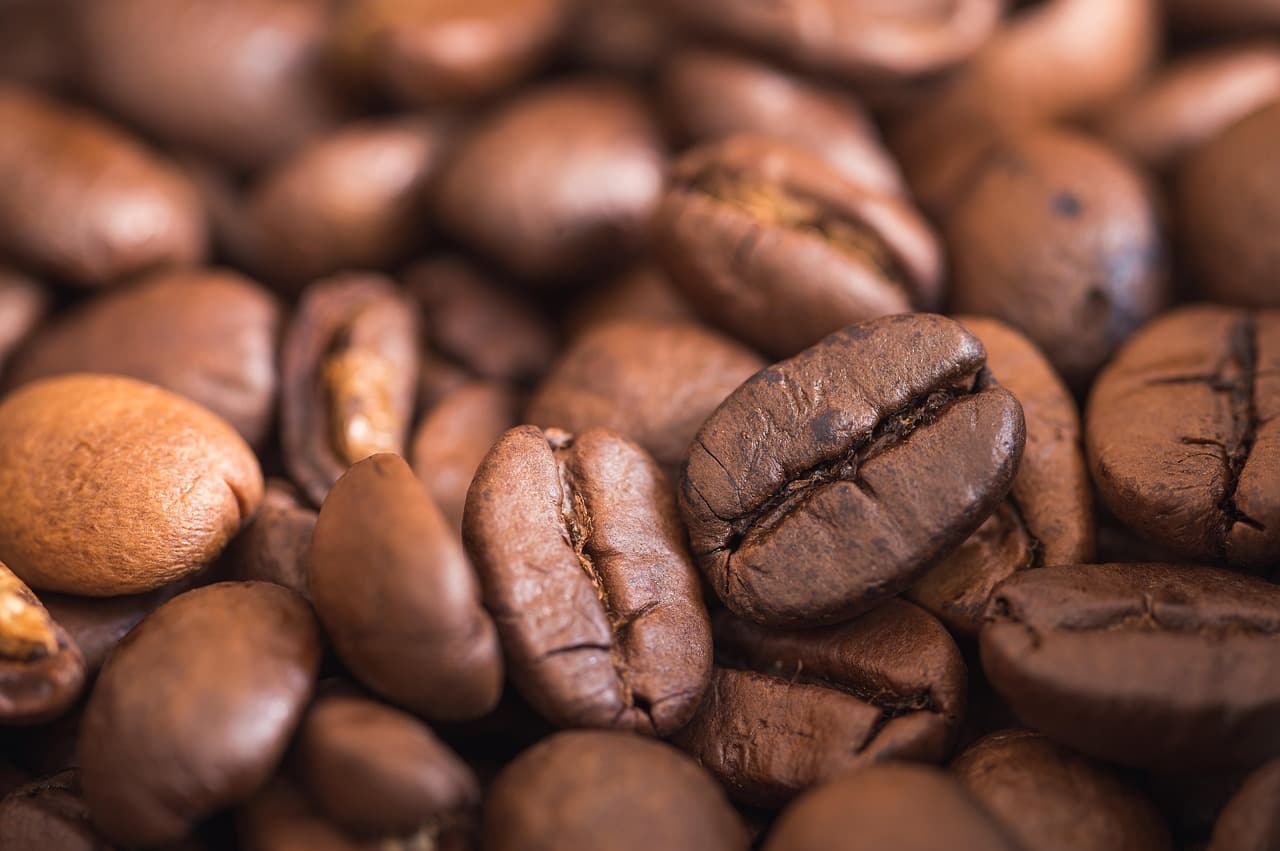
Buy a burr grinder. Two burrs crush each bean to a uniform size, which is the whole point. A blade grinder spins a blade and chops randomly, leaving dust and chunks in the same scoop for bitter, uneven extraction. Blade grinders are fine for spices. They are poor for coffee, and no technique rescues them.
Burr material then splits the field. Steel burrs are fast and precise, and they are the standard for espresso and electric grinders. Ceramic burrs are gentler and run cooler, which is why hand grinders and filter setups lean on them.
Match the Grinder to the Cup You Make
This is the fork that ruins most purchases.
For filter, drip, and French press, you need consistent medium-to-coarse grinds. A good hand grinder or an entry electric burr grinder is plenty, and spending more buys convenience, not a better cup.
For espresso, you need fine, ultra-consistent grinds with tiny adjustments. A dedicated espresso grinder, or a high-end all-rounder, earns its price here, because espresso is the most demanding brew method and a great espresso machine paired with a poor grinder still makes bad espresso.
The in-between category is the manual hand burr. It delivers excellent grind quality at a low price and is ideal for travel and one cup at a time. The trade-off is effort and time once you scale to larger batches.
The Decisions After That
Stepped or stepless adjustment. Stepped grinders click between set sizes, which is easy and repeatable and well suited to filter. Stepless grinders offer infinite fine adjustment, which is what lets you dial in an espresso shot precisely. Pick stepped for simplicity and filter, stepless for espresso.
Hopper or single-dose. Hopper grinders hold beans and grind on demand, which suits drip and a household routine. Single-dose grinders grind exactly what you weigh, with low retention, which is ideal for switching beans often and for pulling espresso one shot at a time.
Static and mess. Cheap electric grinders throw static-charged grounds across the counter, and that annoyance compounds daily. Look for anti-static features like ionizers, metal bodies, or grounds cups, and read the retention and mess reviews before you buy.
Noise and speed. Electric grinders are loud first thing in the morning, and some are far quieter than others, so check. Hand grinders are quiet but slow. High speed can heat the beans and dull flavor on cheaper units.
What the Marketing Page Overstates
Huge burr diameter as a headline number is mostly noise. Bigger burrs help at the top end, but grind geometry and alignment matter more than raw size for home use. Dozens of "grind settings" sounds impressive, but useful range and repeatability beat a big count. "Commercial-grade" claims conflate café and home needs. Built-in scales and apps are convenient and do not change how the coffee tastes.
The Quiet Costs
Retention is the one that bites single-dosers. Some grinders hold grams of grounds between uses, which wastes beans and mixes doses, so low retention matters if you switch beans or weigh every shot. Static mess is the daily tax on cheap grinders. Burrs dull over years and misalignment hurts quality, and some grinders need careful setup to stay aligned. And on noise: a loud grinder at 6 a.m. disturbs the whole house, which is worth checking in reviews even though no spec sheet lists it.
Frequently Asked Questions
Is a burr grinder really better than a blade grinder?
By a wide margin, yes. A burr grinder crushes beans to a uniform size for even extraction, while a blade grinder chops beans into dust and chunks in the same scoop, producing bitter, uneven coffee. If taste matters, a burr grinder is the single biggest upgrade to daily coffee.
What is the best coffee grinder for espresso?
A dedicated espresso burr grinder with a fine, ultra-consistent grind, stepless adjustment for precise dialing-in, and low retention. Espresso is the most demanding brew method, so even a great espresso machine with a poor grinder makes bad espresso. Budget for the grinder, not just the machine.
Do I need a separate grinder for espresso and filter coffee?
Not necessarily. A high-end single-dose grinder can handle both well, though dedicated grinders excel at each. If espresso is your focus, a dedicated espresso grinder is worth it; if you mostly brew filter and drip, a good filter burr grinder is plenty.
Stepped or stepless, and does it matter?
It matters mostly for espresso. Stepped adjustment clicks between set sizes, which is easy and repeatable and great for filter. Stepless adjustment gives infinite fine control, which is what dialing in espresso demands. Choose stepped for simplicity and filter, stepless for espresso.
Is a hand coffee grinder worth it?
For travel, single cups, and filter coffee, yes. A quality hand burr grinder offers excellent grind quality at a low price and often outperforms cheap electric grinders. The trade-off is manual effort and time once you move past one cup.
Read the Cup, Not the Marketing
Two grinders can share a burr size and a price and still grind very differently. Drop both listings into Ask Versa AI and let it pull the retention, static, and noise complaints that separate them in the cup.
Shop smarter with Ask Versa AI
Get occasional product-comparison tips and new features as they ship. No spam.