Cordless Drills 2026: The Battery Platform Is the Choice
Cordless drills in 2026: the battery platform is the real choice. A guide to voltage, chuck size, brushless motors, and which ecosystem to marry.
By the Ask Versa AI Editorial Team. Ask Versa AI content is AI-assisted and editorially reviewed before publishing; specs and review sentiment are pulled live from Amazon.
Your First Drill Picks Your Next Ten Tools
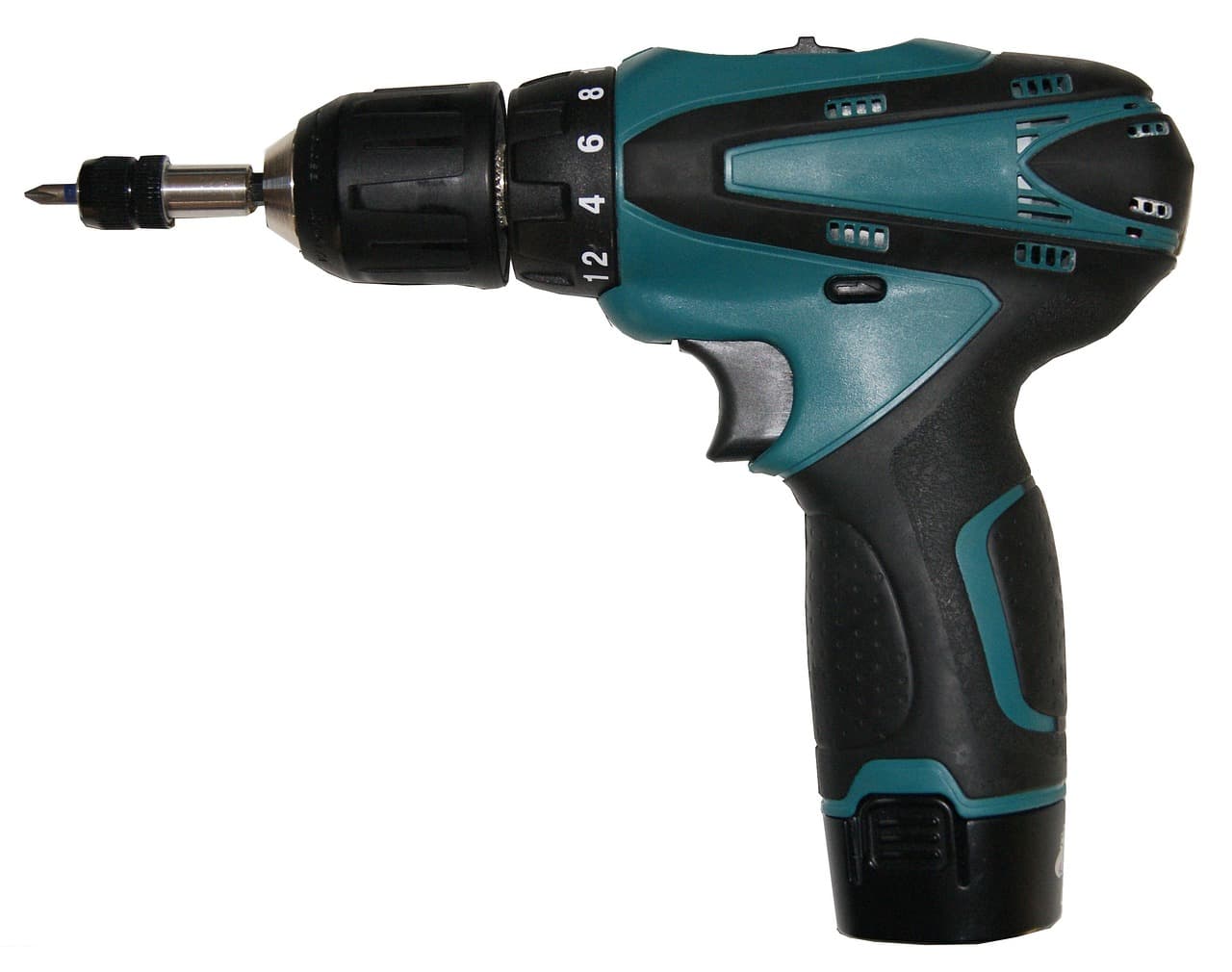
A cordless drill is the single most useful power tool in any home. Hanging shelves, assembling furniture, fixing toys, a huge range of DIY jobs run through it. It is also the gateway to a battery platform: once you own one brand's drill and batteries, you keep buying that brand's tools so the batteries stay compatible. That makes your first drill a bigger decision than the box implies.
Pick a battery platform you will be happy to stay in, because the batteries and the charger are the expensive part and they are brand-specific. DeWalt, Milwaukee, Makita, Ryobi, and Bosch all run large, long-lived ecosystems. Buy into a platform with a wide tool range you might want later, not just the cheapest single drill, since switching brands later means rebuying every battery and charger.
The drill itself is the easy part, because even mid-range cordless drills are excellent in 2026, with brushless motors and lithium batteries now standard. The trap is overbuying voltage and torque you will never use, so this guide sticks to the specs that match real jobs.
Pick the Voltage Class by the Job
12V is for light home tasks. Lighter, smaller, and enough for everyday indoor work: hanging pictures, assembling furniture, light screws. Best for occasional users who want less weight.
18V or 20V is the mainstream class. This is where nearly all homeowners and DIYers should land. It handles drilling into wood, metal, and masonry (with hammer mode on some models) and drives screws all day. One clarification worth knowing: 18V and 20V are the same thing. "20V max" is a US marketing label for an 18V nominal battery, so do not pick a tool because the number looks higher.
36V, 60V, and other high-voltage classes are for heavy construction. Framing, large holes, continuous heavy work. Overkill for almost all homeowners.
What Matters on the Drill Itself
Brushless motor. A brushless motor is more efficient, more powerful, and longer-lasting than a brushed motor, and it is now standard on good drills. Strongly prefer brushless for the runtime and longevity.
Voltage and torque matched to your jobs. More voltage and torque means tougher drilling and driving. A 12V handles light home use and furniture assembly; an 18V/20V is the do-everything class for wood, metal, masonry (with hammer mode), and deck screws; high torque matters for big lag bolts and dense materials, and most 18V drills already have plenty.
Battery platform and compatibility. This is the long-term decision from the opening. Batteries and chargers are brand-specific, so once you pick a platform like DeWalt 20V MAX, Makita 18V LXT, or Ryobi 18V ONE+, future tools should match it. Buy into a platform with a wide tool range you will want later.
Two speeds and a clutch. Look for a two-speed gearbox, low for screws and torque and high for drilling, and an adjustable clutch with many torque settings so you do not overdrive or strip screws. These are standard on good drills and essential for clean work.
Chuck size. A 3/8" chuck is smaller, lighter, and fine for most home tasks. A 1/2" chuck accepts larger drill bits for bigger holes and ratchets tight, so prefer 1/2" if you will do tougher jobs.
Weight and ergonomics. A drill you use often should feel balanced and not too heavy. 12V drills are easiest for overhead work; 18V brushless drills are still comfortable for most users. Try the grip if you can.
The Three Classes Compared
| Class | Best for | Chuck | Power | Weight |
|---|---|---|---|---|
| 12V | Light home tasks | 3/8" | Lower | Lightest |
| 18V/20V | Home + DIY | 1/2" | High | Medium |
| 36V+ | Heavy construction | 1/2" | Highest | Heaviest |
What to Ignore on the Box
The Costs Beyond the Sticker
Three Honest Picks by Need
For most homeowners, an 18V/20V brushless kit with two batteries. A major-platform brushless drill with two batteries, a charger, two speeds, a clutch, and a 1/2" chuck is the do-everything choice and the start of a tool collection.
For light and indoor use, a 12V brushless. Lighter and easier for picture-hanging, furniture, and light screws, and ideal for occasional users who value weight over power.
For heavy DIY or construction, an 18V/20V hammer drill. A brushless 18V/20V hammer drill adds a hammer mode for masonry and higher torque for deck-building and tougher jobs.
Frequently Asked Questions
What is the best cordless drill for home use?
For most homeowners, an 18V/20V brushless drill from a major platform (DeWalt, Makita, Milwaukee, Ryobi, Bosch) with two batteries, two speeds, an adjustable clutch, and a 1/2" chuck is the best all-round choice, powerful enough for nearly any home or DIY job.
Is 12V or 18V/20V better for a home drill?
18V/20V is better for most people because it handles a wider range of jobs, including tougher drilling and driving. 12V is better if you want a lighter drill for light indoor tasks like hanging pictures and assembling furniture, and you value low weight over maximum power.
What does a brushless cordless drill mean?
A brushless motor uses electronics instead of physical brushes, making the drill more efficient, more powerful, cooler-running, and longer-lasting than a brushed motor. Brushless drills now cost only slightly more and are worth it for the extra runtime and lifespan.
What is the difference between 18V and 20V max cordless tools?
There is no real difference. "20V max" is the US marketing label and "18V" is the nominal rating for the same battery class. They are effectively the same voltage platform, so do not choose based on the higher-looking number.
Should I buy into a battery platform when choosing a drill?
Yes. Cordless tool batteries and chargers are brand-specific and are the expensive part, so once you own one brand's drill and batteries it makes sense to keep buying that brand's future tools so they stay compatible. Choose a platform with a wide range of tools you might want later, not just the cheapest single drill.
Where to Land
The drill almost does not matter as much as the platform it attaches you to. Pick the brand whose ecosystem you want to live in for the next decade, pick 18V/20V unless your work is light, insist on brushless and a 1/2" chuck, and buy the two-battery kit. Everything else is a feature on a box you will not read twice.
Two drills at the same voltage can differ in balance, chuck runout, and how the clutch holds. Run them through Ask Versa AI and pull the long-term owner gripes before you commit to a platform.
Shop smarter with Ask Versa AI
Get occasional product-comparison tips and new features as they ship. No spam.