Cordless Stick Vacuums in 2026: The Specs on the Box Lie
Cordless stick vacuums drown you in air-watt claims. The specs that decide real-floor cleaning: measured suction, swappable batteries, bin size, sealed HEPA.
By the Ask Versa AI Editorial Team. Ask Versa AI content is AI-assisted and editorially reviewed before publishing; specs and review sentiment are pulled live from Amazon.
The Specs on the Box Are the Problem
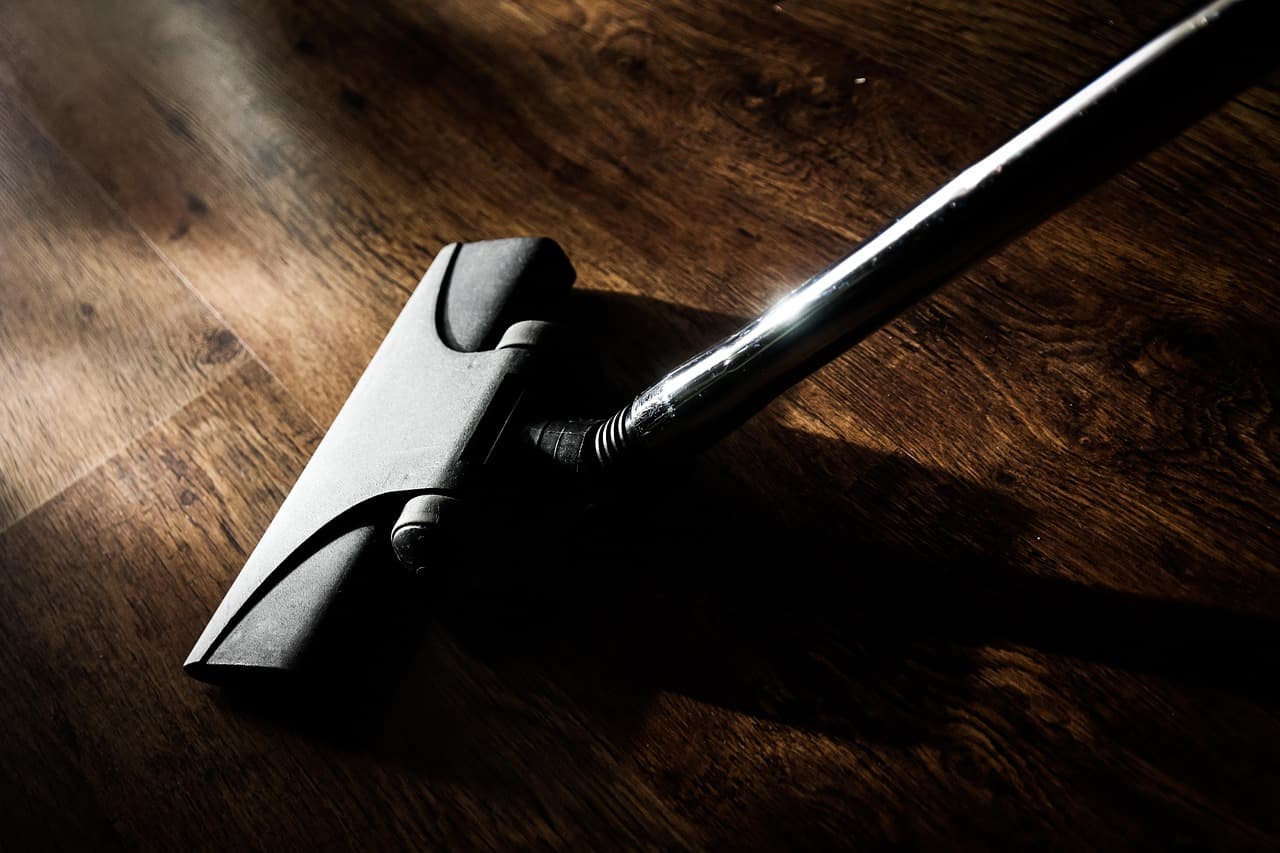
A good cordless stick vacuum is the single biggest cleaning upgrade most homes can make. You grab it, clean a room in two minutes, put it back. No cord, no outlet hunting, no heavy upright. They have improved so fast that a 2026 mid-range stick out-cleans a flagship from a few years ago.
The problem is that the category drowns you in misleading specs. Inflated "air watts," exaggerated runtimes, and a bright screen that distracts from a tiny bin or weak carpet cleaning are how the bad ones hide. So before anything else, here is what those numbers mean and which ones you can safely ignore.
Pick the Type by What You Clean
A full-size cordless stick replaces a corded upright for whole-home cleaning, with the strongest suction, the biggest bin, and the longest runtime. That is the do-everything choice if you want one vacuum for both hard floors and carpets.
A lightweight or compact stick is smaller, cheaper, and lighter, and it is great for apartments or as a second vacuum. The trade is weaker suction and shorter runtime, so it is not a whole-home replacement for thick carpet.
The 2-in-1 is a stick whose wand detaches into a handheld for stairs, cars, and upholstery. Most modern sticks do this, so prioritize it only if you will use the handheld mode often.
A wet/dry, hard-floor vacuum cleans and dries hard floors in one pass, like a cordless FloorMate or washing vacuum. Excellent for tile and hardwood homes, but it is not a replacement for a carpet vacuum.
Suction: Air Watts, Not Motor Watts
Suction is the core spec, and it is poorly labeled. Ignore raw "watts" of motor power and look for air watts (AW) or CFM from reviews. For carpet you need strong suction and a motorized brushroll that agitates dirt out of the fibers. For hard floors, strong airflow and a soft roller do the work. The headline wattage tells you almost nothing about pickup.
Battery Claims Are Almost Always Best-Case
Runtime claims are usually measured on low power with no motorized tool attached. In the real world, look for 20 to 40 minutes of usable runtime on a mid setting with the floorhead, treat removable and swappable batteries as a major plus for finishing big homes, and expect a charge time of about 3 to 4 hours. Fast charge matters if you clean often; a second battery matters more if the house is large.
The Small Things That Decide Daily Use
Bin size and emptying. Small bins mean stopping mid-clean to empty. Look for a 0.5 to 0.8 L bin for whole-home use and a no-touch, one-press empty mechanism that drops the dirt, since some need help when pet hair is involved.
Weight and balance. Under 6 to 7 lb feels effortless for daily use; heavier sticks tire your wrist on stairs and ceilings. Balance matters as much as raw weight, because a top-heavy stick is tiring even when it is light.
A sealed HEPA system. A true HEPA filter inside a sealed body keeps fine dust inside the vacuum instead of blowing it back into the air, which matters for allergy sufferers. Unsealed "HEPA-type" filters leak dust around the edges and do not count.
What to Ignore on the Box
Three Honest Picks by Need
For whole-home carpet, a high-air-watt stick with a motorized head. A full-size cordless with strong air watts and an aggressive motorized brushroll replaces a corded upright on carpet. Dyson, Shark, and Tineco flagships lead here, and the value brands close the gap a little more each year.
For hard floors, a soft-roller or wet/dry stick. On tile and hardwood a soft-roller floorhead, or a wet/dry washing vacuum, cleans faster and without scattering debris across the room.
For apartments, a compact stick under $250. A lightweight stick with decent runtime and a motorized head handles a small space cheaply. Accept weaker carpet performance in exchange for the price and the weight.
The Costs Beyond the Sticker
Frequently Asked Questions
What is the most important spec in a cordless stick vacuum?
For most homes it is the combination of strong suction, measured in air watts or CFM, plus a motorized brushroll for carpet, and usable runtime of 20 to 40 minutes on a mid setting with the floorhead. Do not be misled by motor wattage or maximum-mode runtime claims; check independent reviews.
How long should a cordless vacuum battery last?
Look for roughly 20 to 40 minutes of usable runtime on a mid power setting with the motorized floorhead, and a charge time of about 3 to 4 hours. Removable and swappable batteries are a major advantage for larger homes, since you can finish cleaning instead of waiting to recharge.
What is a sealed HEPA system and why does it matter?
A sealed HEPA system uses a true HEPA filter inside an airtight body so fine dust stays in the vacuum instead of leaking back into the air. It matters most for allergy sufferers and pet owners. Unsealed "HEPA-type" filters do not capture dust as effectively because air escapes around them.
Can a cordless stick vacuum replace a corded upright?
A full-size, high-air-watt cordless stick with a motorized head can replace a corded upright for most homes, especially on hard floors and low-to-medium pile carpet. For thick carpet or whole-home deep cleaning you may still want an occasional corded or deep-clean machine.
What stick vacuum is best for pet hair?
Prioritize strong suction, an anti-tangle or self-cleaning brushroll, and a bin that empties cleanly, since hair clumps jam some bins. Wet/dry sticks also handle pet messes on hard floors well, and a sealed HEPA system helps with dander and allergens.
Where to Land
Most buyers overpay for a screen and a max mode they will never use, then run out of battery halfway through the house. The vacuum that wins is the one with measured suction, a bin big enough to finish a room, and a battery you can either swap or live with recharging. Dyson, Shark, and Tineco cover the top end; the value brands win on the apartment end. Pick by your floors first.
Air-watt claims collapse fast against independent test numbers. Let Ask Versa AI line up your two finalists on real measured suction, bin size, and the empty mechanism that jams on hair.
Shop smarter with Ask Versa AI
Get occasional product-comparison tips and new features as they ship. No spam.