E-Bikes in 2026: Match the Motor and Class to Your Hills
E-bikes in 2026: class 1/2/3 laws, hub vs mid-drive motors, real battery range, and which specs matter for commuters versus cargo riders. Plus hidden costs.
By the Ask Versa AI Editorial Team. Ask Versa AI content is AI-assisted and editorially reviewed before publishing; specs and review sentiment are pulled live from Amazon.
E-Bikes Got Cheap Enough to Replace a Car
E-bikes have quietly become one of the best value purchases in personal transport. They replace a second car for many commutes and errands, flatten hills and headwinds, and let you arrive without being a sweaty mess. Prices have fallen while motors, batteries, and brakes have all improved, so a solid commuter e-bike now starts well under $1,500.
The category is still confusing, because classes, motor types, battery sizes, and wildly optimistic range claims all conspire to push you toward the wrong bike. The way through it is to match the class and the motor to your terrain first, then let the rest fall into place.
One legal note before anything else. E-bike classes (1, 2, and 3) and where you can ride vary by state and country, so check your local laws on speed limits, throttle use, and trail and bike-path access before you buy.
Pick the Type by How You Ride
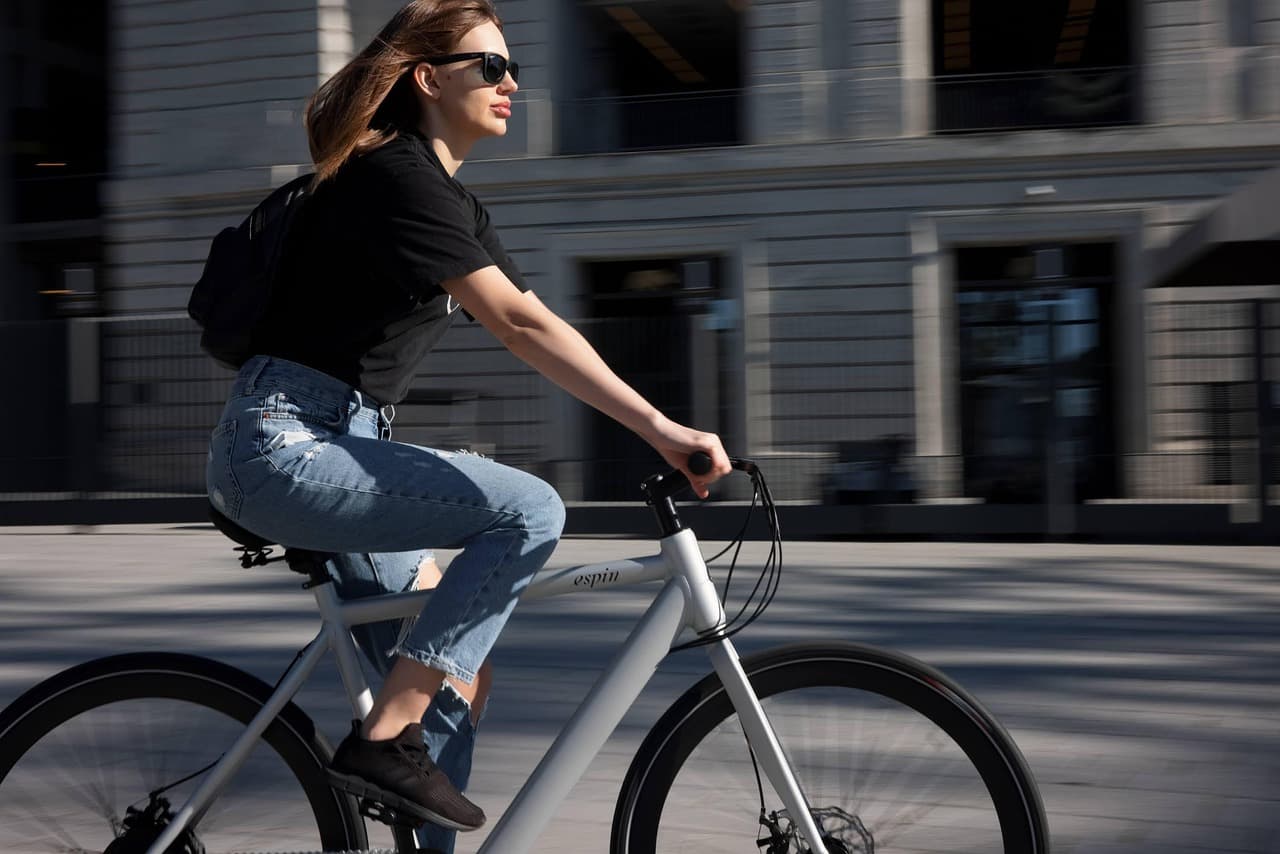
A commuter or city e-bike is the practical daily driver, built for pavement, errands, and commuting with an upright ride, racks, fenders, and lights. For most riders this is the most useful one bike to own.
A folding e-bike is for transit and storage. Compact, it stows in a trunk or under a desk, which is great for mixed commutes (bike plus train) and small apartments, though the smaller wheels mean less range.
A cargo or utility e-bike is the car replacement. Long-tail or front-box designs haul kids, groceries, or gear. Expensive and heavy, but they replace a car for local trips.
A mountain (eMTB) or fat-tire e-bike is for trails, sand, and snow, with powerful motors, suspension, and fat tires for off-road or rough city streets. Heavier and pricier, and overkill for paved commuting.
The Class Decides Where You Can Ride
E-bike class is set by law and affects where you ride, so it is not a preference, it is a constraint.
Class 1 is pedal-assist only and tops out at 20 mph, and it is the most widely allowed on bike paths. Class 2 adds a throttle to 20 mph on top of pedal-assist, which is convenient but restricted on some trails. Class 3, the "speed pedelec," is pedal-assist (usually no throttle) to 28 mph, which is faster for commuting but restricted on some paths and in some cities.
Pick the class that is legal where you ride and matches your speed needs. A Class 3 you cannot legally take on the path you commute on is a waste of money.
Hub or Mid-Drive, by Your Hills
A hub motor sits in the rear wheel. It is cheaper, simple, and great for flat-to-rolling terrain and casual riding, and most budget e-bikes use one. A mid-drive motor drives the crank for better balance, torque, and efficiency, which makes it far better on hills, for cargo, and for eMTB. It costs more but rides more naturally and climbs better. The rule: if you climb or haul, pay for mid-drive; if your route is flat and you want it cheap, a hub motor is enough.
The Numbers That Matter
Motor power. Look at continuous watts and torque (Nm), not just peak marketing watts. About 350 to 500W suits flats and commuting; 500 to 750W or higher, or high torque of 60 to 90+ Nm, is better for hills, cargo, and off-road. Note the legal cap, often 750W (1 hp) in the US.
Battery and real range. Range claims are usually best-case (low assist, flat, light rider). A roughly 500Wh battery gives about 20 to 40 miles of mixed assist, but range depends hugely on assist level, hills, rider weight, and wind, so halve the marketing number for a safe estimate. Look for a removable battery, so you can charge indoors and deter theft, and check the charge time.
Brakes. Hydraulic disc brakes are the safe choice on a heavy, fast e-bike. They are far stronger and more reliable than mechanical discs or rim brakes, especially in wet weather and on hills. Do not cheap out here.
Weight and frame. E-bikes are heavy (40 to 70+ lb), which matters for carrying upstairs or lifting onto racks. A step-through frame makes mounting easy and suits most casual riders; a step-over is stiffer for performance.
What to Ignore on the Box
Three Honest Picks by Need
For commuting, a Class 1 or 3 commuter with a mid-drive. A roughly 500W mid-drive commuter with hydraulic disc brakes, a roughly 500Wh removable battery, fenders, lights, and a rack is the best "replace my car for local trips" choice.
For budget and recreational riding, a Class 1 or 2 hub-drive under $1,500. A rear-hub commuter with a decent battery and hydraulic (or good mechanical) discs handles casual riding and errands cheaply.
For cargo or kids, a long-tail cargo e-bike. If you are hauling kids or big grocery loads, a cargo e-bike with a strong mid-drive and high torque replaces a car, and it is worth the higher price.
The Costs Beyond the Sticker
Frequently Asked Questions
What is the best e-bike for commuting?
A Class 1 or Class 3 commuter e-bike with a mid-drive motor (about 500W, 60+ Nm torque), a roughly 500Wh removable battery, hydraulic disc brakes, fenders, lights, and a rack is the best all-round commuter setup. Hub-drive commuters under about $1,500 are a solid budget alternative for flatter routes.
What is the difference between Class 1, 2, and 3 e-bikes?
Class 1 is pedal-assist only up to 20 mph; Class 2 adds a throttle up to 20 mph; Class 3 is pedal-assist (usually no throttle) up to 28 mph. Classes affect legal top speed, throttle use, and where you can ride, since some paths and cities restrict Class 2 or 3, so check your local laws.
How far can an e-bike go on one charge?
Realistically, a roughly 500Wh battery gives about 20 to 40 miles of mixed assist, but range depends heavily on assist level, hills, rider weight, and wind. Manufacturers' maximum ranges are best-case, so budget for roughly half the advertised number for a safe real-world estimate.
Is a mid-drive or hub motor better?
A mid-drive motor is better for hills, cargo, and off-road because it drives the crank for more natural torque and efficiency, but it costs more. A hub motor is cheaper and simpler and is great for flat-to-rolling terrain and casual commuting. Choose mid-drive if you climb or haul, and hub for budget and flats.
How powerful should an e-bike motor be?
For flat commuting, about 350 to 500W is plenty. For hills, cargo, or off-road, look for 500 to 750W or high torque (60 to 90+ Nm). The legal continuous-power cap is often 750W (1 hp) in the US, and peak wattage figures in marketing are not the same as sustained output.
Where to Land
Start from your route, not the spec sheet. A flat city commute points at a Class 1 or 2 hub-drive under $1,500; hills, cargo, or a kid on the back point at a mid-drive with at least 60 Nm of torque and hydraulic disc brakes. A removable battery and a real lock are not optional on either. Everything else, from the LCD to the app to the peak wattage sticker, is decoration.
Range and torque numbers mean little next to how the bike rides your hills. Put your two finalists into Ask Versa AI and weigh the motor tuning, brake feel, and battery-removal convenience against what owners report.
Shop smarter with Ask Versa AI
Get occasional product-comparison tips and new features as they ship. No spam.