Electric Toothbrushes 2026: Why $80 Is the Upgrade Ceiling
Electric toothbrushes top out at about $80: beyond that you pay for branding. The 2026 guide to brush heads, pressure sensors, and what to skip.
By the Ask Versa AI Editorial Team. Ask Versa AI content is AI-assisted and editorially reviewed before publishing; specs and review sentiment are pulled live from Amazon.
The Price Where Upgrades Stop Helping
Dentists are close to unanimous that an electric toothbrush removes more plaque than manual brushing, especially for people who rush, press too hard, or miss spots. What the category will not tell you is where the benefit stops. Brushes run from $25 to $300, and once you pass roughly $80 the differences are features, not cleaning power. A $40 reputable brush cleans nearly as well as the $200 flagship, because the core work is done by the motor and the head.
So the two traps to avoid are the same trap told twice: overspending on Bluetooth gimmicks you stop using, and underspending on a motor so weak it barely beats a manual. Spend on the cleaning tech and the pressure sensor. Treat the rest as optional.
The Two Ways Brushes Clean
Sonic, high-speed vibration
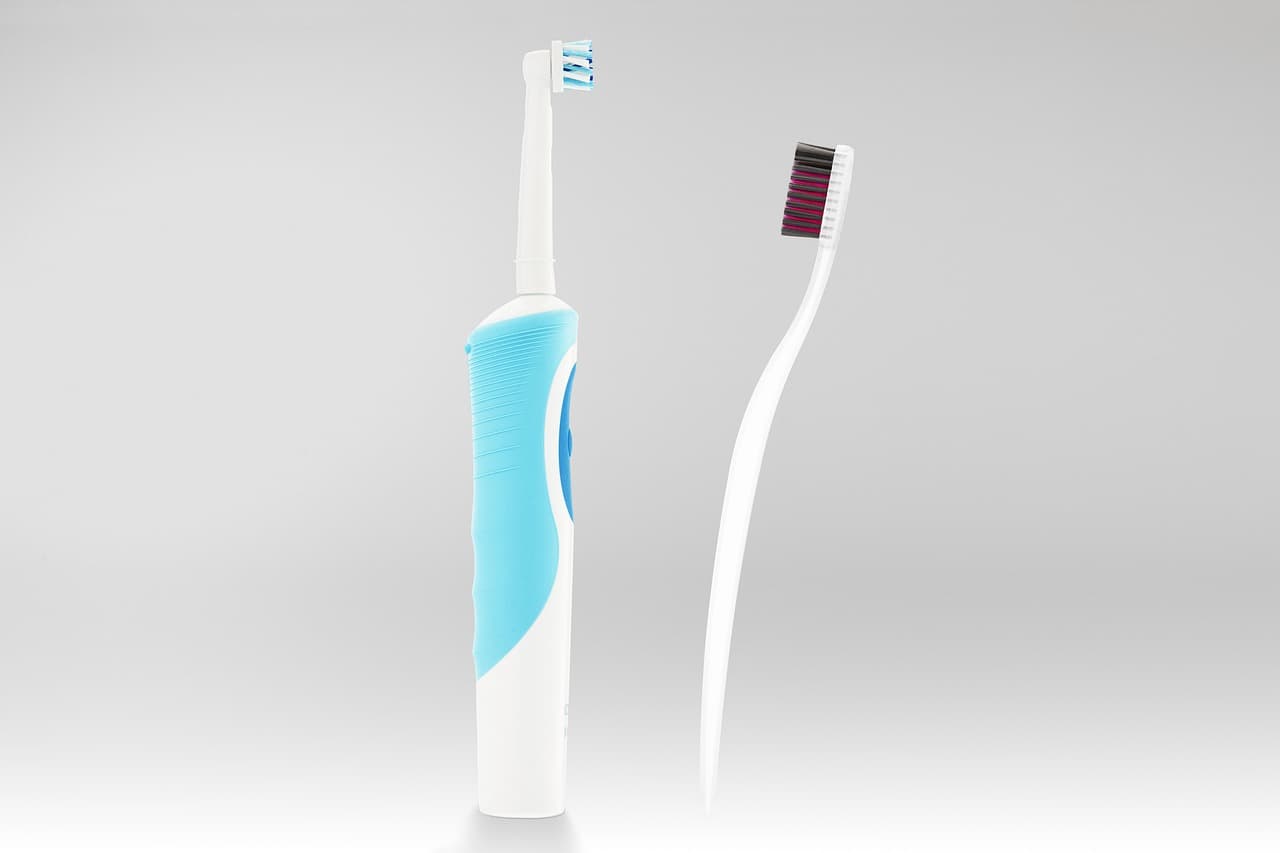
A small head vibrates at roughly 30,000 to 40,000 strokes per minute, creating fluid motion that cleans between teeth and along the gumline past where the bristles physically touch. Philips Sonicare leads here. It is gentle and quiet and the better fit for sensitive gums.
Oscillating-rotating, physical sweeping
A round head rotates back and forth and pulses, physically sweeping plaque away. Oral-B pioneered the approach. It feels more tactile and scrubbing, and people chasing heavy plaque and surface stains tend to prefer it.
Independent studies generally find both technologies clean comparably well and far better than a manual. The honest decision rule is not which is better in the abstract. If your gums are sensitive or receding, sonic's gentler motion suits you. If plaque and staining are the concern, oscillating feels more thorough. Pick the one you will actually use for two minutes, twice a day.
The Four Things Worth Paying For
A capable motor and head. Cleaning comes from motor and head design, not mode count. This is why a $40 brush from a reputable brand lands so close to a $200 flagship, and why the premium mainly buys extras.
A timer and a pacer. Two minutes, twice a day is the standard, and almost nobody hits it unaided. A built-in 2-minute timer that shuts off, plus a 30-second pacer that signals you to switch quadrants, is what makes sure you brush long enough and evenly. Every decent electric brush has this. Confirm yours does.
A pressure sensor. Pressing too hard wears enamel and recedes gums over time, and most people do it without knowing. A sensor that flashes, beeps, or slows the motor when you push too hard is one of the few features worth paying extra for, because it changes long-term gum health.
Battery life. Look for two weeks or more per charge, longer if you travel. Cheap NiMH models with short life are a frustration, and lithium-ion brushes hold charge far longer with no memory effect.
What You Can Safely Ignore
Dozens of brushing modes are mostly padding. Most people only use "clean," and the whitening, massage, and deep-clean extras are rarely necessary. A few well-tuned modes beat fifteen redundant ones.
Bluetooth apps and brushing tracking help kids and the highly motivated, and most adults stop opening the app after a week, so do not pay much for it. Travel cases with extra batteries are nice but rarely essential. And "whitening" claims overstate things: an electric brush removes surface stains better than a manual, but none of them whiten the way professional treatment does.
The Ongoing Cost Nobody Quotes
You must replace the head every three months at $5 to $15 each, which over a few years can exceed what you paid for the brush. Before buying, check the head price and whether multi-packs exist, because buying in bulk cuts the per-head cost sharply.
Heads are proprietary and lock you into one brand's system. If that brand discontinues the line, you may need a whole new brush. UV sanitizing stations sound hygienic but add marginal benefit, since rinsing and air-drying the head works fine, so do not overpay for a charger base that has one. Subscription head programs are convenient and sometimes pricier than multipacks, so compare. One offset worth knowing: many electric brushes and heads are FSA and HSA eligible, which is an effective discount.
Our Picks by Need
Best value, a reputable midrange brush around $40 to $80. A well-reviewed sonic or oscillating brush with a timer, pacer, and pressure sensor delivers essentially all the cleaning benefit at a fraction of the flagship price. This is the smart choice for most people, and the price ceiling where upgrades stop mattering.
Best for sensitive gums, a sonic with a pressure sensor. Sonic's gentler vibration suits receding or sensitive gums. Pair it with a soft head and keep the pressure sensor on to protect the gumline.
Best for kids, a model with fun app tracking. A kid-focused brush with a timer, small head, and a gamified app turns two minutes into a habit rather than a fight.
Frequently Asked Questions
Are electric toothbrushes really better than manual?
Yes. Studies and dental consensus show electric brushes remove more plaque and reduce gingivitis more than manual brushing, mostly because they do the work for you and include timers that keep you brushing long enough. The benefit is largest for people who rush or brush unevenly with a manual.
Sonic or oscillating, which should I pick?
Both clean comparably well. Sonic brushes like Philips Sonicare use a fast-vibrating head and gentle fluid motion, which suits sensitive gums. Oscillating brushes like Oral-B use a round rotating, pulsing head that feels more thorough on plaque and stains. Let your gums and your cleaning goals decide rather than the brand.
Do I need a pressure sensor?
It is worth paying for. Brushing too hard wears enamel and recedes gums over time, and a sensor that warns you when you push too hard is one of the few features that improves long-term gum health rather than just the spec sheet.
How often should I replace the head, and what does it cost?
Every three months, or sooner if the bristles fray, since worn bristles clean poorly and can damage gums. Heads cost $5 to $15 each, so budget roughly $20 to $50 a year and buy multipacks to lower the per-head price. You are locked into your brush brand's head system, so check availability first.
Buy the Motor, Ignore the App
Two brushes at the same price can differ a lot in head cost, warranty, and the small owner complaints that add up over years. Hand both to Ask Versa AI and get the head price, warranty, and real gripes laid out side by side before you pick.
Shop smarter with Ask Versa AI
Get occasional product-comparison tips and new features as they ship. No spam.