Sony WH-1000XM5 vs Bose QC Ultra: The Ultimate Showdown
Sony WH-1000XM5 vs Bose QC Ultra in 2026: real battery, ANC, comfort, and call-quality verdicts from lab tests and thousands of owner reviews.
By the Ask Versa AI Editorial Team. Ask Versa AI content is AI-assisted and editorially reviewed before publishing; specs and review sentiment are pulled live from Amazon.
The Two Heavyweight Champions
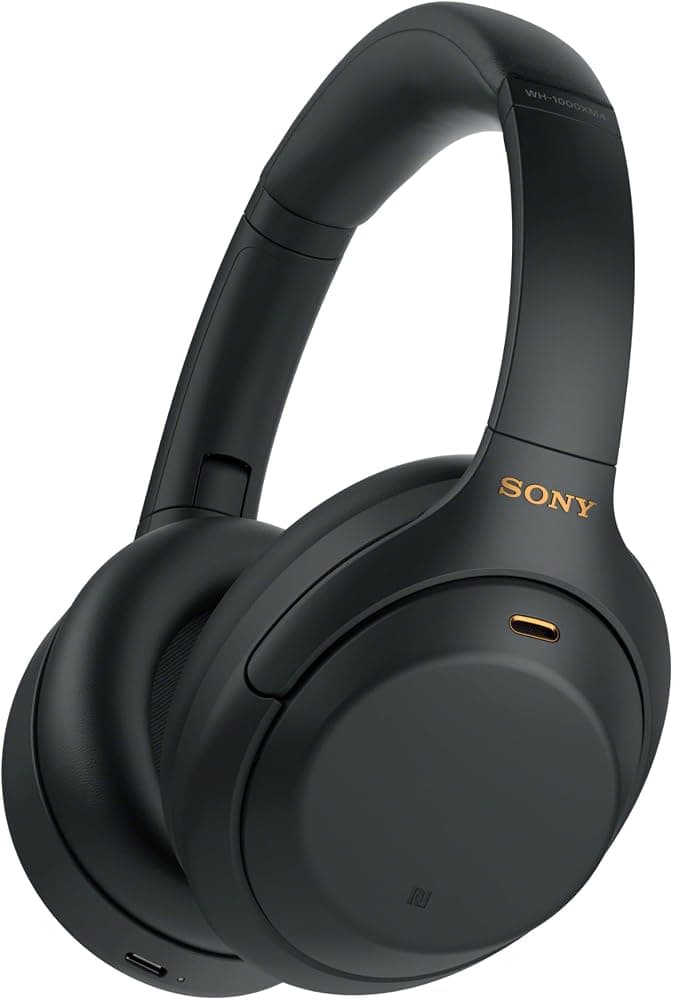
If you're shopping premium noise canceling headphones, you've probably narrowed it to these two: the Sony WH-1000XM5 (~$250-300 on sale, down from $399) and the Bose QuietComfort Ultra (~$300-380 on sale, down from $429).
Both are excellent, and both have loyal followings. They're also different headphones built for different priorities, so "which is better" has a real answer once you know what you care about. I went through thousands of Amazon reviews and the independent lab numbers to separate the spec-sheet hype from what owners actually live with.
For the full field, see our Best Noise Canceling Headphones in 2026 guide — or jump straight to the interactive Sony vs Bose comparison.
One thing to know going in: both are now the previous generation. Sony's current flagship is the WH-1000XM6 (launched May 2025 at $449.99, now around $398 on Amazon, and RTINGS ranks it the #1 noise canceling headphone of 2026). Bose's current flagship is the QC Ultra Headphones 2nd Gen (September 2025, $449, $50 more than this first-gen, and you can finally turn ANC fully off). The XM5 and first-gen QC Ultra are still widely available, usually at a steep discount, which is exactly why this comparison is worth a fresh look. If you want the newest silicon, jump to those successors.
Want it interactive? Our live Sony WH-1000XM5 vs Bose QuietComfort Ultra comparison runs this same analysis on current reviews and specs, side by side.
Quick Comparison Table
| Spec | Sony WH-1000XM5 | Bose QuietComfort Ultra |
|---|---|---|
| Advertised battery (ANC on) | 30 hours | 24 hours (18h with Immersive Audio) |
| SoundGuys-tested battery (ANC on) | ~31h 53m | ~27h 37m |
| Weight | 250g | 250g |
| ANC system | Dual-chip processor, 8 mics | CustomTune, 6 mics |
| Spatial audio | No | Immersive Audio |
| Hi-Res codec | LDAC (plus AAC, SBC) | aptX Adaptive (plus AAC, SBC) |
| Folds for travel | Flat only | Full fold |
| Multipoint (2 devices) | Yes | Yes |
| 2026 sale price range | ~$250-300 | ~$300-380 |
Noise Cancellation: It Depends on What You're Blocking
Both sit at the top of noise cancellation, but they cancel different things, and that's the whole story.
Sony uses adaptive ANC with sensors that read the room and adjust on the fly. Walk from a quiet office to a busy street and the XM5 retunes itself without you doing anything. Its dual-chip, 8-mic array is built to kill low-frequency drone, and that's where it wins.
Bose takes a different route with CustomTune, which maps your ear canal during setup and calibrates both ANC and sound to your ears. Each QC Ultra ends up tuned slightly differently for its owner. In practice it's better at muscling out human voices and mid-range office chatter.
Owners back this up. Sony is the consistent pick for the low rumble of airplane cabins, bus engines, and HVAC drone. Bose gets the nod for open-plan offices and commutes where voices are the problem. RTINGS' 2026 ranking puts the newer XM6 at #1 overall; these two sit a hair behind, still firmly top tier.
So: airplane or engine noise, Sony. Office chatter or talkative commute, Bose.
Sound Quality: Bose for Immersion, Sony for Accuracy
This is where the price gap shows up.
Bose's Immersive Audio builds a spatial sound stage that feels like sound is arriving from around you instead of inside your head. It's not a gimmick. It changes how movies and podcasts feel, and it comes up again and again as the reason buyers chose the Bose.
Sony answers with LDAC Hi-Res support, which streams higher-bitrate audio over Bluetooth. Pair it with a phone and files that support it and you get near-lossless wireless quality. Reviewers also tend to describe Sony's tuning as the more neutral and accurate of the two.
If you want immersive, movie-like listening, Bose. If you want accuracy and hi-res fidelity, Sony.
Comfort: The Category That Splits Owners
This is the biggest practical difference between the two, and unlike most reviews claim, it is not a blowout. Both weigh about 250g on paper. In real life, comfort comes down to your head shape and whether you wear glasses, and the two headbands disagree about which kind of head they fit.
Sony's pads are plush, and a lot of owners say the XM5 "feels lighter than it is." But the single most common XM5 complaint is headband pressure, a sore spot at the crown that shows up fast on larger heads and glasses wearers.
Bose clamps harder out of the box (some call it "clampy"), but the cushions are deeper and conform more to your head. Many owners find that better over 4+ hour sessions.
Reddit is the best signal here. Threads on r/bose, r/SonyHeadphones, and r/headphones flip both ways, but for glasses wearers specifically the consensus leans Bose, because the cushioning spreads pressure more evenly around frames. Owners with larger heads keep reporting that the XM5's headband "stings" at the crown.
The honest answer is that there's no universal winner. Sony feels lighter to some; Bose is the safer pick for glasses and long sessions. If you can try them in person, this is the category to test.
Battery Life: Sony, Comfortably
Sony advertises 30 hours with ANC on, and SoundGuys measured 31 hours 53 minutes, beating the claim. Bose advertises 24 hours with ANC on (18 if Immersive Audio is on), and SoundGuys measured 27 hours 37 minutes, also beating the claim.
That's roughly 4 extra tested hours for Sony, plus a better quick-charge trick: 3 minutes plugged in buys about 3 hours of playback. Both outlast their marketed numbers, but Sony has the edge on raw runtime and top-ups.
Call Quality: Sony, by a Real Margin
If your headphones double as a work headset, this matters more than people expect. The XM5's 8-mic array with AI noise reduction consistently earns top call-clarity marks. Reviewers and owners report callers hear them clearly even in wind and on busy streets.
The QC Ultra is competent, but owners more often note that callers can pick up background noise. If you take a lot of calls, Sony has a repeatable edge here.
Build Quality and Design: Bose
The QC Ultra uses premium protein leather cushions and a more substantial build that feels more luxurious, and it folds fully for compact storage. The Sony only folds flat, which makes it bulkier to pack.
Sony also has a known, recurring complaint: the headband can develop a creak after a few months. Bose doesn't have an equivalent widespread issue.
Premium feel, durability, and packability all go to Bose.
App and Smart Features
Both apps let you tune EQ and ANC levels. Sony's Headphones Connect app is deeper, with features like Speak-to-Chat (auto-pauses when you start talking) and adaptive sound control tied to location. Bose's app is simpler and cleaner, with quick access to Immersive Audio modes.
Multipoint Bluetooth, connecting to two devices at once, works on both. You can stay paired to a laptop and phone at the same time.
Price and Value in 2026
Sony WH-1000XM5 sits around $250-300 on sale (down from $399). Bose QuietComfort Ultra sits around $300-380 on sale (down from $429). The gap is usually $50-100, and both fluctuate with sales.
Is the Bose worth the premium? If spatial audio and the foldable, premium build matter most, yes. If battery life, call quality, and savings matter more, the Sony is the better value. Both are now discounted well below their successors, which is what makes this matchup worth revisiting.
Frequently Asked Questions
Is the Bose QC Ultra worth it over the Sony XM5, according to reddit?
It depends on what you value, and the forums reflect that split. Across r/bose, r/SonyHeadphones, and r/headphones, owners who prioritize sound immersion and premium build lean Bose, while those who want battery life, call quality, and a lower price lean Sony. The most common "worth it" verdict is that the Sony is the better value for most people, but the Bose justifies itself for listeners who care about Immersive Audio.
Which is more comfortable for glasses wearers?
Glasses wearers generally lean Bose. The QC Ultra's deeper cushions spread pressure more evenly around frames, while XM5 owners with glasses and larger heads often report headband soreness at the crown. If comfort with glasses is your top priority, Bose is the safer bet, ideally after trying both.
Are these good for airplane travel? Which blocks engine noise better?
Yes, both are excellent for flying and sit in the top tier of 2026 noise canceling headphones. For low-frequency engine drone (the cabin rumble on long flights), the Sony XM5 has a slight edge. Bose is stronger against voices and mid-range cabin chatter. Either will make a long-haul flight dramatically quieter.
Which has better battery life, and do they match the advertised hours?
Both beat their advertised numbers. SoundGuys tested the Sony at about 31 hours 53 minutes (advertised 30h) and the Bose at about 27 hours 37 minutes (advertised 24h), both with ANC on. Sony wins on runtime and also has a faster quick-charge feature.
Should I buy the Sony XM5 now or get the newer XM6?
If you want the absolute best ANC of 2026, the WH-1000XM6 (May 2025, around $398 on sale) is RTINGS' top pick and adds a folding hinge and LE Audio. If you'd rather save $100+ and can live without those upgrades, the XM5 on sale is still an outstanding value. The same logic applies to Bose: the QC Ultra 2nd Gen (September 2025, $449) lets you turn ANC fully off, but the first-gen QC Ultra here is meaningfully cheaper.
Our Recommendation
For most people on a sale budget, the Sony WH-1000XM5 is the better buy. It wins on battery, calls, and price while matching Bose near the top of noise cancellation. The Bose QC Ultra earns its premium only in two specific cases: you live in Immersive Audio and want that spatial sound, or you wear glasses and find the Sony headband uncomfortable. Everyone else should take the Sony and pocket the difference.
Torn between two specific pairs? Ask Versa AI reads hundreds of reviews at once and hands you a side-by-side verdict in seconds.
Shop smarter with Ask Versa AI
Get occasional product-comparison tips and new features as they ship. No spam.