Sovol SV08 vs Voron 2.4: One Hour vs 40 Hours to Print
The Sovol SV08 is a 90% pre-assembled CoreXY building in about an hour for ~$549; the Voron 2.4 is a DIY kit taking 40-100 hours. Both print 350mm.
By the Ask Versa AI Editorial Team. Ask Versa AI content is AI-assisted and editorially reviewed before publishing; specs and review sentiment are pulled live from Amazon.
The One-Hour Gap
The Sovol SV08 takes about an hour to unbox and assemble. The Voron 2.4 takes somewhere between 40 and 100 hours to source parts, build, wire, and configure before it prints anything well. That gap is the whole comparison.
Both are enclosed CoreXY machines with 350mm build volumes, 700mm/s speed claims, and the same basic architecture — the SV08 is explicitly a professionally-manufactured remix of the Voron 2.4 design. Sovol even donates $2 to the Voron project for each unit sold. The difference is who does the assembly work.
What You're Choosing Between
| Feature | Sovol SV08 | Voron 2.4 |
|---|---|---|
| Build volume | 350 x 350 x 345 mm | 250 / 300 / 350 mm cube |
| Assembly | 90% pre-assembled, ~1 hour | Full DIY kit, 40-100 hours |
| Max speed | 700 mm/s | 300-500+ mm/s tuned |
| Price | $549 (sale: $549, reg: $599) | $500-1,500 depending on kit |
| Kit source | Pre-built by Sovol | Source parts yourself or buy kits |
| Chamber | Optional heating module | Requires DIY enclosure work |
| Support | Manufacturer warranty + community | Community documentation only |
The SV08 Is a Product, Not a Project
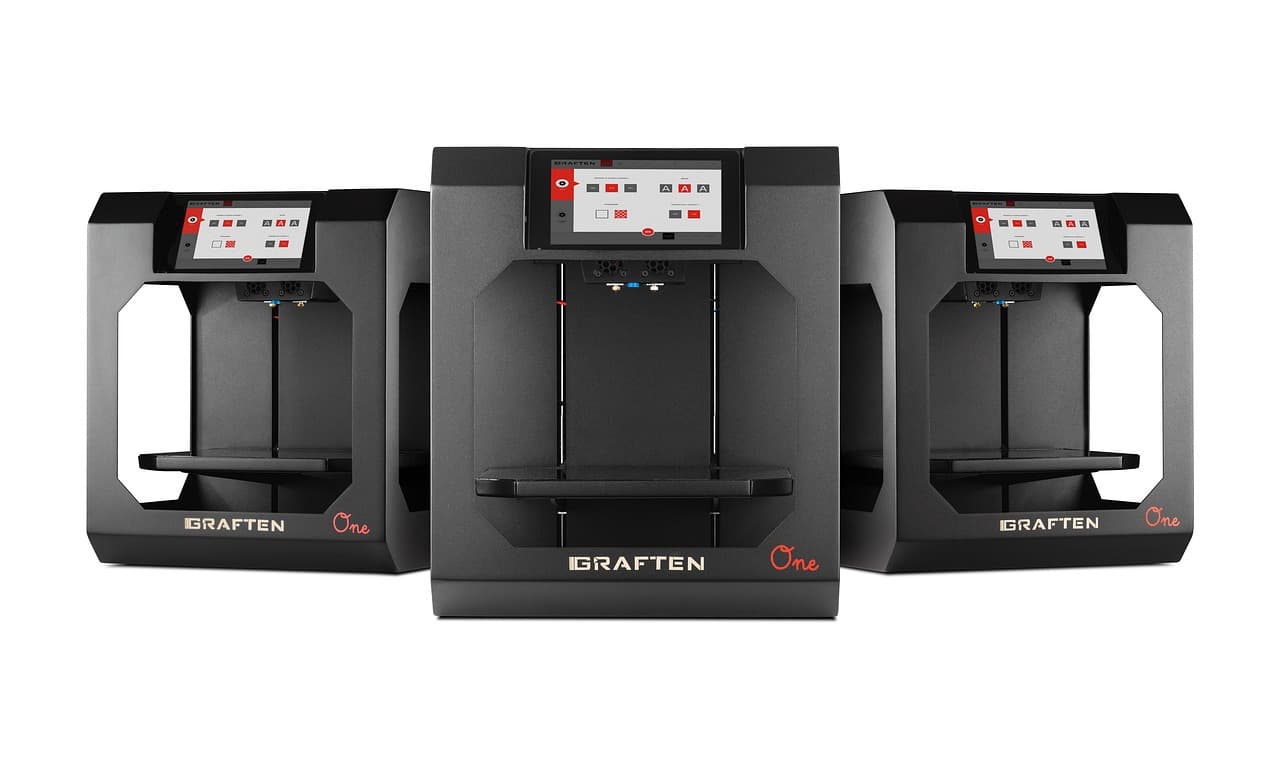
Sovol's pitch is straightforward: they ship you a machine that's mostly built, you spend an hour finishing it, and you're printing. The frame is aluminum alloy, it has four independent Z motors for better accuracy, a 5-inch touchscreen, and CoreXY kinematics with full linear rails. At $549 on sale (regularly $599), it's cheaper than most reputable Voron kits even before you count your time.
The SV08 uses open-source Klipper firmware and is designed to be mod-friendly. You can add upgrades later, but you don't have to start there. The optional chamber heating module brings ABS/ASA capabilities closer to the Voron's enclosed design.
The tradeoff is that you don't control every component choice. You get what Sovol ships, and if something fails, you're working with their support and parts ecosystem rather than the general 3D printing market.
The Voron 2.4 Is a Build That Rewards Knowledge
You choose every part, print or buy the frame panels, run the wiring, and tune Klipper yourself. The reward is that you understand the machine completely — repairs are trivial, upgrades are yours to design, and nothing locks you out of any setting or modification. The Voron community on Discord and the documentation are extensive, and a well-built Voron is one of the best-looking printers at any price.
The catch is that quality depends entirely on your build skill. Cheap clone kits from unknown sellers save money upfront and cost it in misprinted parts and weeks of frustration. Reputable kits from LDO or Formbot are more expensive but come with pre-cut wiring, quality components like E3D Revo hotends and Bondtech extruders, and better documentation.
If the build process sounds like fun rather than homework, the Voron is rewarding. If it sounds like a barrier to printing, you're looking at the wrong machine.
Where the SV08 Wins
Time is the obvious one. An hour of assembly versus a month of evenings is a real difference, especially if you're balancing work, family, or other hobbies. The SV08 is also cheaper out of the box than most reputable Voron kits once you count the total parts cost.
The manufacturer support and warranty matter. If a component fails or you hit a configuration issue, you have someone to contact rather than troubleshooting through forum threads. The pre-tuned factory firmware means you're printing sooner rather than spending weeks dialing in input shaping and pressure advance.
Where the Voron Still Wins
Total control is the main one. You choose the hotend, the extruder, the steppers, the controller board, the display (or no display), and every other component. If you want a particular nozzle size, a specialized motion system, or a custom bed surface, you build it in.
The documentation is unmatched. Voron's wiki is the gold standard for open-source hardware documentation, and the community has solved almost every problem you might encounter. You're never truly stuck with a Voron.
Scalability matters too. You can build a 250mm cube on a budget, or stretch to 350mm for large props and functional parts. The SV08's 350mm volume is fixed.
What the Spec Sheet Leaves Out
Which Way to Go
The Sovol SV08 is the right call for most people because most people want to print, not build a printer. It delivers Voron-style performance at a fraction of the assembly time, with manufacturer support and a price that undercuts most DIY kits even before you count your labor. You're printing in an evening, not next quarter.
The Voron 2.4 is the right call if you want the build to be the point, or if you need complete control over every component and the ability to fix or modify anything yourself. If you enjoy the challenge and want the knowledge that comes from assembling a machine from scratch, the Voron is unmatched. For the turnkey counterpoint, see our Voron 2.4 vs Bambu Lab X1C comparison.
For anyone else — if you want large-format CoreXY prints, fast speeds, and good quality without sacrificing your weekends to assembly — the SV08 is the sensible choice. New to the category? Our 3D printer buying guide explains CoreXY versus bed slinger and the specs that actually matter.
Frequently Asked Questions
Is the Sovol SV08 just a pre-built Voron 2.4?
Yes, essentially. The SV08 is based on the Voron 2.4 architecture and Sovol explicitly calls it a professionally-manufactured remix. They even donate $2 to the Voron project for each unit sold. The key difference is assembly time — an hour for the SV08 versus 40-100 hours for a DIY Voron.
How much does a Voron 2.4 actually cost?
Budget kits from unknown sellers can run $500-700, but they come with quality and documentation risks. Reputable kits from LDO or Formbot typically run $800-1,500 depending on size and components. That's not counting tools you may need to buy or the hours you'll spend building.
Can the SV08 print ABS and ASA?
Yes, especially with the optional chamber heating module. Even without it, the enclosed design helps with ABS, though a heated chamber gives you better layer adhesion on larger parts. The Voron's enclosed design is standard, not an add-on.
Which is faster?
Both claim similar maximum speeds — around 700mm/s for the SV08 and 300-500+ mm/s for a well-tuned Voron. In practice, quality prints on both machines run at lower speeds. The difference in real-world print times is smaller than the spec sheet suggests.
Can I upgrade the SV08 later?
Yes. The SV08 uses open-source Klipper firmware and is designed with modding in mind. You can add upgrades like chamber heating, different hotends, and other mods, but you're working within Sovol's frame and component choices.
Before You Commit
Spec sheets won't tell you how loud the enclosure fans get at 3 a.m., or whether a cheap Voron kit ships with misprinted frame brackets, or how SV08 owners feel about the stock firmware after six months of use. Ask Versa AI lines up the owner complaints for any two printers side by side, so you're reading the people who lived with them and not the marketing page.
Shop smarter with Ask Versa AI
Get occasional product-comparison tips and new features as they ship. No spam.