Water Flosser vs String Floss: The One You'll Use Daily
Water flosser vs string floss compared on plaque removal, gums, cost, and daily compliance, so you can pick the one you'll actually keep using.
By the Ask Versa AI Editorial Team. Ask Versa AI content is AI-assisted and editorially reviewed before publishing; specs and review sentiment are pulled live from Amazon.
The Tool You Use Beats the Tool You Don't
String floss has been the dental standard for roughly a century, and water flossers like the Waterpik are now a normal bathroom gadget. Dentists get asked which is better constantly, and the most useful answer is also the least satisfying one on a spec sheet: the better tool is the one you will pick up every night.
That sounds like a hedge, but it is the whole point. String floss is the cheaper, more proven method, and it wins on tight contacts between teeth. A water flosser is gentler on gums, easier around braces and dental work, and forgiving for people who never mastered string technique. Most people who skip flossing skip it because string is fiddly and unpleasant, and for them a water flosser turns a non-flosser into a daily flosser. That is not a small win.
What Each One Does
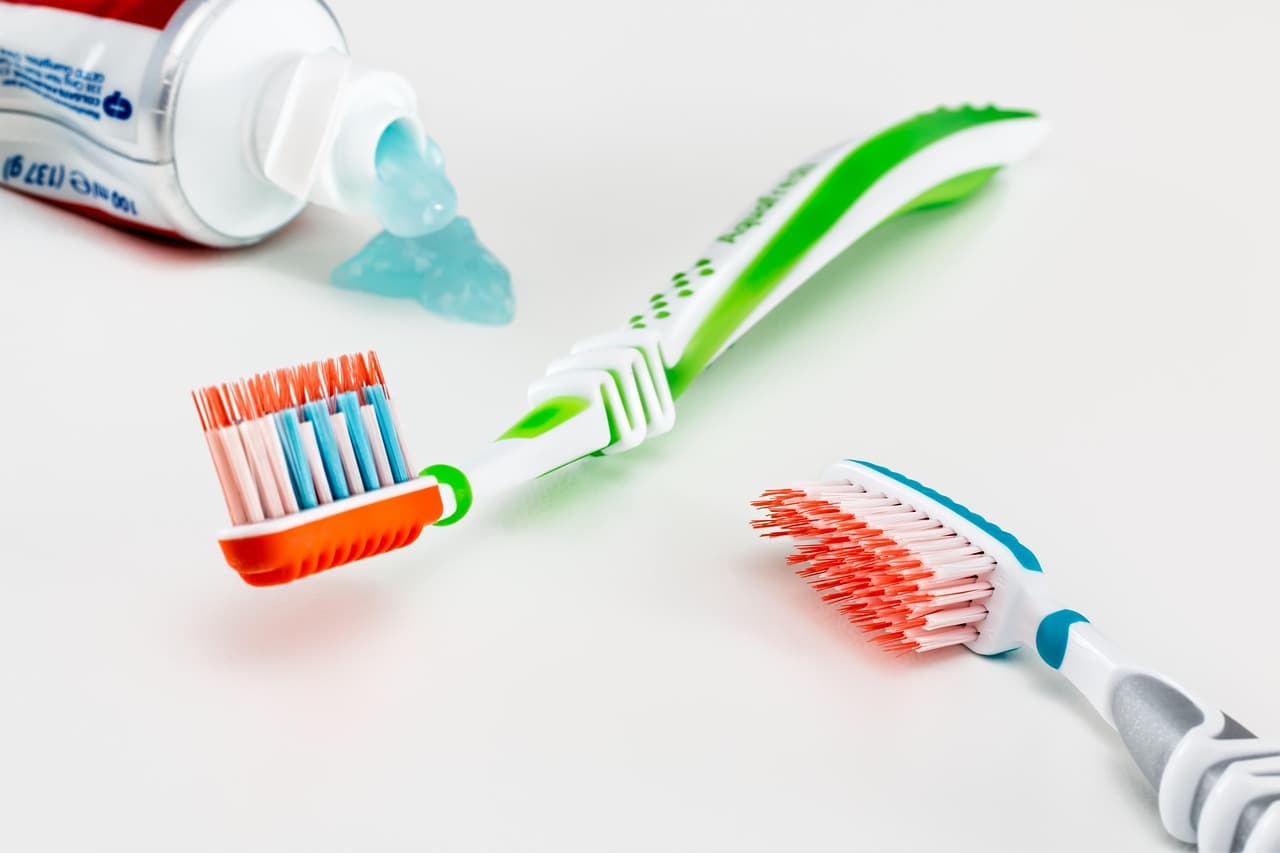
String floss physically scrapes the sides of the teeth below the gumline, disrupting the plaque biofilm in the tight contacts a brush cannot reach. Decades of evidence back it as the gold standard for interdental cleaning. Its weakness is that it only works with correct technique, and many people never develop it.
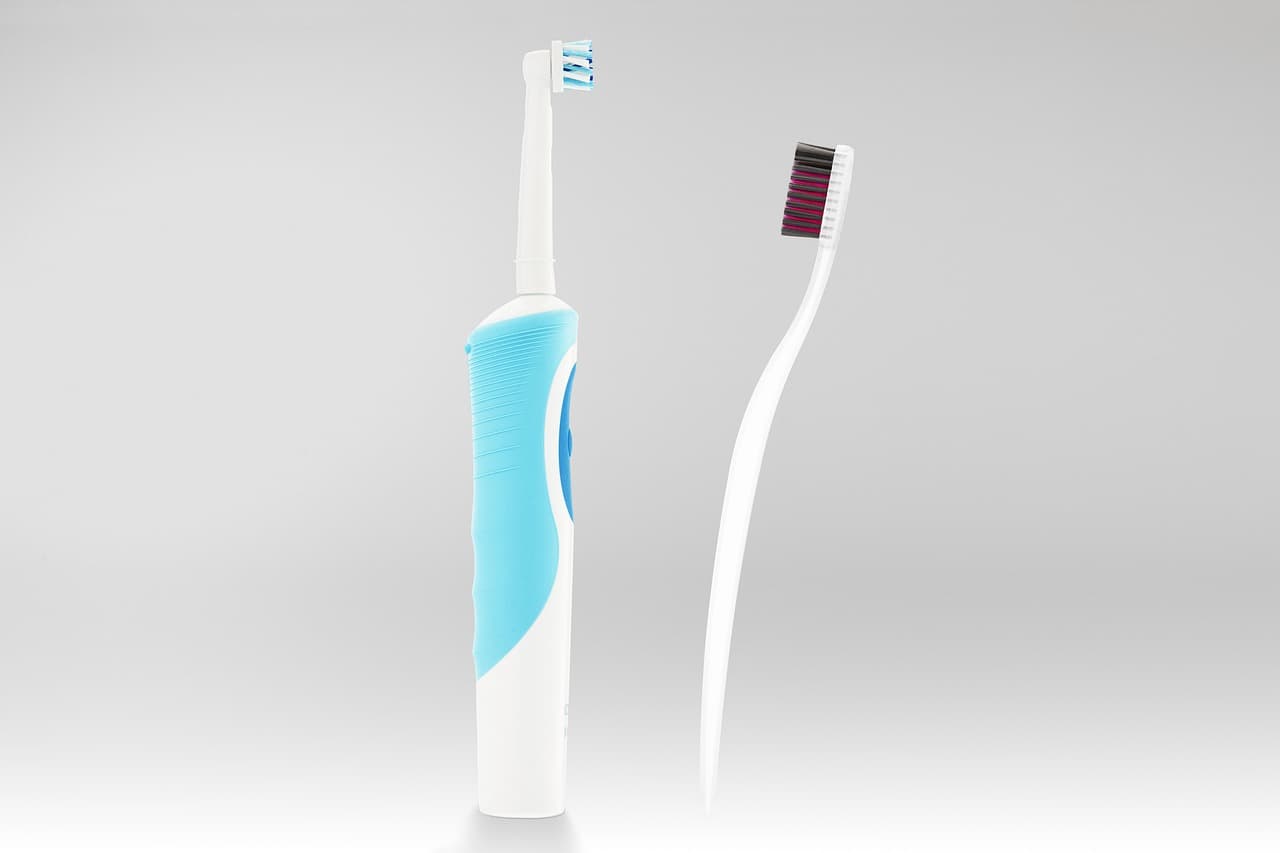
A water flosser uses a pulsating stream to flush out food and plaque and massage the gums. Studies, some of them industry-funded, show it reduces plaque and gingivitis, and it is easier for most people to use consistently. It is slightly less effective than string on very tight contacts, but it reaches around brackets, wires, and dental work that string struggles with.
Who Should Reach for Which
For most people with healthy teeth, tight contacts, and the discipline to floss daily, string floss is the better tool. It costs almost nothing, fits in a pocket, and has the strongest evidence behind it. If you already have the habit and your technique is decent, there is no good reason to switch.
A water flosser is the better tool for a specific, large group. Anyone with braces or orthodontics, implants, bridges, or crowns. Anyone with arthritis or limited hand mobility. Anyone with sensitive or bleeding gums. And anyone who hates string floss enough to skip it. Around braces in particular, a water flosser flushes food and plaque from places string barely reaches, and most orthodontists recommend one as part of the routine. For these people the water flosser is not the consolation prize. It is the better choice outright.
The Cost Gap Is Real
String floss costs almost nothing. A few dollars buys months of use, and it travels anywhere. A water flosser runs roughly $30 to $100 or more upfront, needs counter space and electricity, and asks for replacement tips. Travel is harder, and cordless models trade tank size for portability, which means more refills.
If budget is the deciding factor, string floss wins by a mile. If you have already decided you will not use string floss, the cost of a water flosser buys you a daily habit you would not otherwise have.
Marketing Worth Ignoring
The Honest Recommendation
Use string floss if you will do it daily with reasonable technique. It is the cheapest, most proven option, and for tight contacts it cleans better. Use a water flosser if string is the reason you do not floss, or if you have braces, implants, bridges, crowns, dexterity limits, or sensitive gums. Many people get the best result by using both, string for tight contacts and water for the rest. The mistake is assuming the technically superior tool is the right one for you, when consistency is the variable that moves your gum health.
Frequently Asked Questions
Can a water flosser replace string floss?
For most people with healthy teeth and tight contacts, dentists still recommend string floss as the primary tool, since it physically scrapes the contacts a water stream cannot fully clear. A water flosser can replace string for people with braces, implants, bridges, or dexterity issues, and for anyone who will not use string at all. Plenty of people use both.
Do dentists recommend water flossers?
Many do, especially for patients with braces, implants, bridges, sensitive gums, or a habit of not flossing. They still point to string floss as the standard for tight contacts, but their practical position is that the best tool is whichever one a patient will use every day.
Narrowing to Two Models
Once you know which type fits you, the next question is which specific unit. Ask Versa AI lays out what owners say about any two water flossers or flossing tools, so you are not choosing off the box art.
Shop smarter with Ask Versa AI
Get occasional product-comparison tips and new features as they ship. No spam.