NC Headphones for Autism: Comfort and Fit Over Everything
Autistic adults and parents buy NC headphones for regulation, not entertainment. Age, head pressure sensitivity, and ANC tolerance decide the pair.
By the Ask Versa AI Editorial Team. Ask Versa AI content is AI-assisted and editorially reviewed before publishing; specs and review sentiment are pulled live from Amazon.
The Purchase Is Not About Sound Quality
A commuter buys noise-cancelling headphones to enjoy music. An autistic adult, or the parent of an autistic child, buys them to control a sensory environment, and that changes every priority. Sound quality stops mattering. Clamping force, weight, the pressure sensation of ANC, and the ability to work with nothing playing become the whole decision. The music is a bonus; the regulation is the point.
Temple Grandin, the autism researcher who has written about sensory sensitivity her whole career, describes loud noise as feeling like a dentist drilling. That is the scale of what a well-chosen pair of headphones is being asked to fix, and it is why the autism community's recommendations do not look like the audio press's recommendations. The r/autism threads on the subject read as a different product category entirely: owners describe headphones as coping tools they "never leave home without," not as gear they audition for soundstage.
This guide is built from those threads plus the occupational-therapy guidance that pediatric specialists publish, because both groups agree on the same core principle: fit and comfort decide whether the tool gets used, and an uncomfortable pair of the world's best-cancelling headphones is useless in a meltdown.
The Two Audiences, Two Different Answers
Kids: passive earmuffs first, volume limits always
For an autistic child, active noise cancelling is usually the wrong technology. Kids' earmuffs with a high noise-reduction rating do the blocking with no electronics, no battery, no ANC pressure, and no way to play audio loud enough to harm young ears. The pediatric occupational-therapy community and the autism parenting resources converge on the same spec: a lightweight, adjustable headband, soft cushions, and a volume limit around 85 dB to protect young ears, with passive reduction preferred over active cancellation for younger children.
The practical favorite in the parenting forums is the Puro Sound Labs BT2200, which was specifically designed with young listeners' hearing safety in mind and appears in the autism resource guides as a top pick for kids. For children who only need noise blocking and nothing more, the plain hearing-protection earmuffs, the ones sold for autism, shooting, and sensory use, do the job at a fraction of the price, and they cannot break or run out of battery. The autism-specific resource sites stock exactly this class: padded, adjustable, high-reduction over-ear protection.
Teens and adults: ANC that you can wear all day
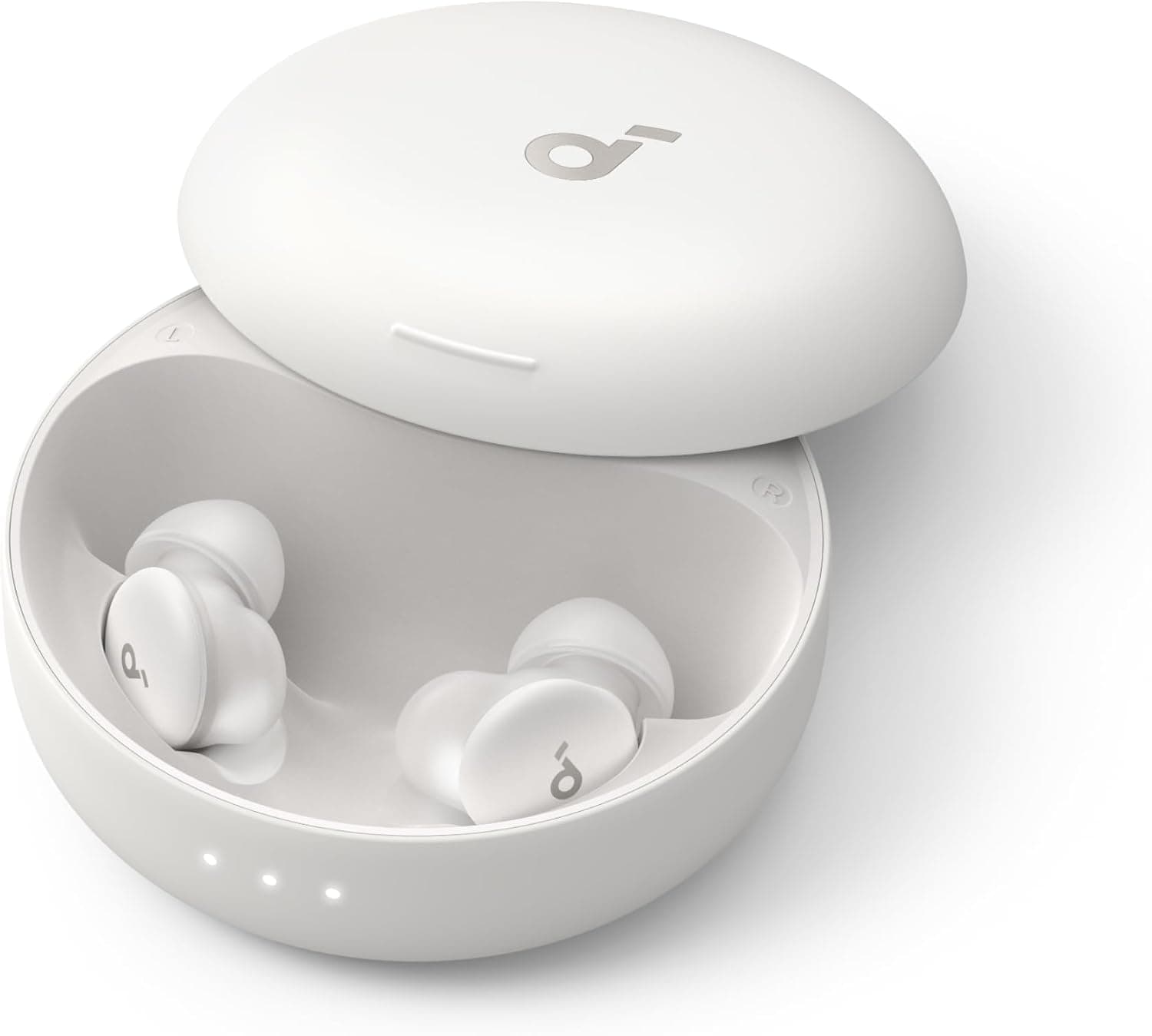
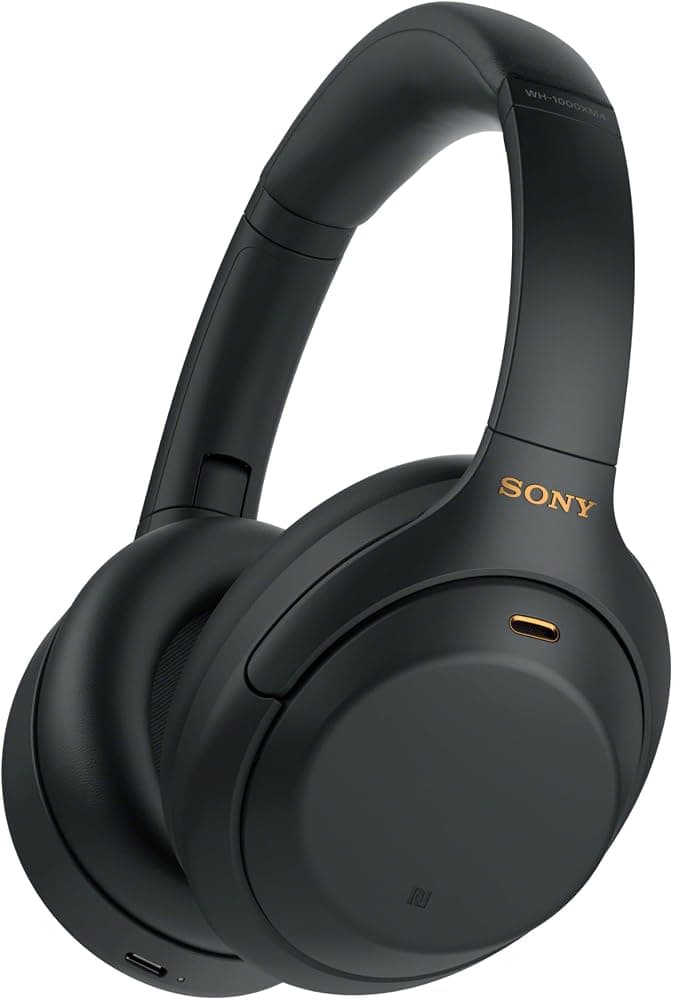
For adolescents and adults, active noise cancelling becomes useful, because the goal shifts from blocking a fire alarm to surviving a supermarket, a train, or a workplace open-plan office. The autism forums have effectively settled on a short list through years of collective trial: the Sony WH-1000XM4, the Bose QuietComfort line, and budget Anker Soundcore sets.
The Sony XM4 is the community's most-recommended pair, and the reasons are sensory, not audiophile. In an r/autism thread asking what noise-cancelling headphones people use, owner after owner describes the XM4 as comfortable ("they don't hurt my ears unlike beats headphones"), long-battery (roughly a week of daily use per charge), and effective at blocking the specific sounds that cause overload: stores, buses, school. An r/AutisticAdults thread on sensory overload echoes it: "Sony XM4 headphones have honestly changed my life! They can even cut out the majority of noise on trains." The XM4's continued popularity over the newer XM5 is itself a finding, because the XM4 clamps more lightly, and clamping force is a sensory dealbreaker.
The Bose QuietComfort line is the runner-up for the same reason, with the lightest clamp in the class. An r/AutisticPride recommendation calls the QC45 the pair that "absolutely pants the competition" on cancellation while staying comfortable, and an r/autism thread notes Bose's strong customer service as a deciding factor for a daily-use tool. The r/AutismInWomen thread on real experiences adds the crucial nuance about what ANC actually does: the XM4s are excellent at blocking low rumbles like motors, voices, and the washer-dryer, but weaker on high-pitched sounds, which is exactly the honest performance picture people need before they buy.
The Budget Reality and the ANC Caveat
Money is a real constraint, and the forums have a clear answer. An r/AutisticAdults thread on affordable noise-cancelling headphones lands on the Anker Soundcore range, where even the basic ~$100 models offer genuine ANC. The long-time owner in that thread has run a pair for about seven years, which matters for a tool that gets used daily and thrown in bags. Soundcore is the price point where a person who cannot spend $300 on Sony still gets the functional result.
The caveat the forums stress is that ANC does not work for everyone, and that is not a failure of the product. An r/AutisticAdults thread titled "I actually hate noise cancellation" describes the pressure sensation and the way ANC amplifies internal sounds, breathing, heartbeat, a loud voice in your own head. The same thread notes the difference between ANC headphones and earplugs: the ANC pair leaves the wearer's own voice sounding normal while blocking outside noise, where in-ear plugs make internal sounds louder. For people who find ANC itself overstimulating, passive earmuffs or high-quality earplugs are the right tool, and no amount of cancellation quality changes that.
What to Actually Check Before Buying
Frequently Asked Questions
Do noise-cancelling headphones help with autism?
Yes, when sensory sensitivity to sound is part of the picture. They reduce overwhelming background noise, which helps with regulation, focus, and participation in noisy environments. The autism forums consistently describe the right pair as a daily coping tool, and occupational-therapy sources recommend them for children who experience auditory hypersensitivity.
What is the best noise-cancelling headphone for an autistic child?
For children, passive earmuffs with a high reduction rating and no electronics are the first choice, with volume-limited options around 85 dB like the Puro Sound BT2200 when audio is needed. ANC is usually better introduced at teen age, when the wearer can report whether the pressure sensation is tolerable.
Are Sony XM4 or XM5 better for autistic adults?
The community overwhelmingly recommends the XM4, and the reason is fit: it clamps more lightly than the XM5, and clamping force is a sensory dealbreaker. The XM5 cancels more deeply, but for a tool worn all day for regulation, the XM4's lighter fit wins. Bose QuietComfort is the alternative with the lightest clamp in the class.
Why does noise cancelling feel uncomfortable for some autistic people?
ANC creates a pressure sensation and can amplify internal sounds, breathing, and your own voice, which some people find more overstimulating than the noise it removes. An r/AutisticAdults thread documents this directly. For those people, passive earmuffs or earplugs are the better tool, and there is no product fix.
How much should I spend on autism headphones?
The functional range is $100 to $400. The Anker Soundcore sets at about $100 deliver genuine ANC and are the community's budget answer, and the Sony XM4 or Bose QuietComfort at $250-400 are the daily-use flagships. For passive-only kids' earmuffs, the price drops to $20-40.
The Takeaway
Buy for the head, not the spec sheet. Light clamp, soft pads, long battery, and cancellation that works in silence are the four features the autism community actually uses, and the Sony XM4, Bose QuietComfort, and budget Soundcore line are the sets those features keep landing on. Try the fit before committing, and if ANC itself is uncomfortable, passive is not a compromise, it is the answer. When you have two candidates, let Versa AI compare the owner reviews for the fit complaints that no retailer lists.
Shop smarter with Ask Versa AI
Get occasional product-comparison tips and new features as they ship. No spam.