Zoeller M53 vs Wayne CDU980E: The Sump Pump Decision Guide
Zoeller M53's cast-iron reliability against Wayne CDU980E's 3/4 HP flow and 5-year warranty, compared by pit size, water volume and price.
By the Ask Versa AI Editorial Team. Ask Versa AI content is AI-assisted and editorially reviewed before publishing; specs and review sentiment are pulled live from Amazon.
A sump pump is the appliance you buy once and think about never, until the night it fails. That is why the Zoeller M53 Mighty-mate and the Wayne CDU980E dominate the category: both are cast-iron submersibles with 4.6-star averages, and both have multi-thousand-rating histories of keeping basements dry.
They are not interchangeable, though. Our stored comparison puts the M53 at $213.08 and the CDU980E at $189, and the spec differences explain the price gap in a direction most buyers do not expect.
The spec sheet says the cheaper pump moves more water
The Wayne CDU980E is the higher-flow machine: a 3/4 HP motor pumping up to 5,490 gallons per hour, built around a vertical float switch and a cast iron and stainless steel body, with the warranty spelled out on the listing at 5 years.
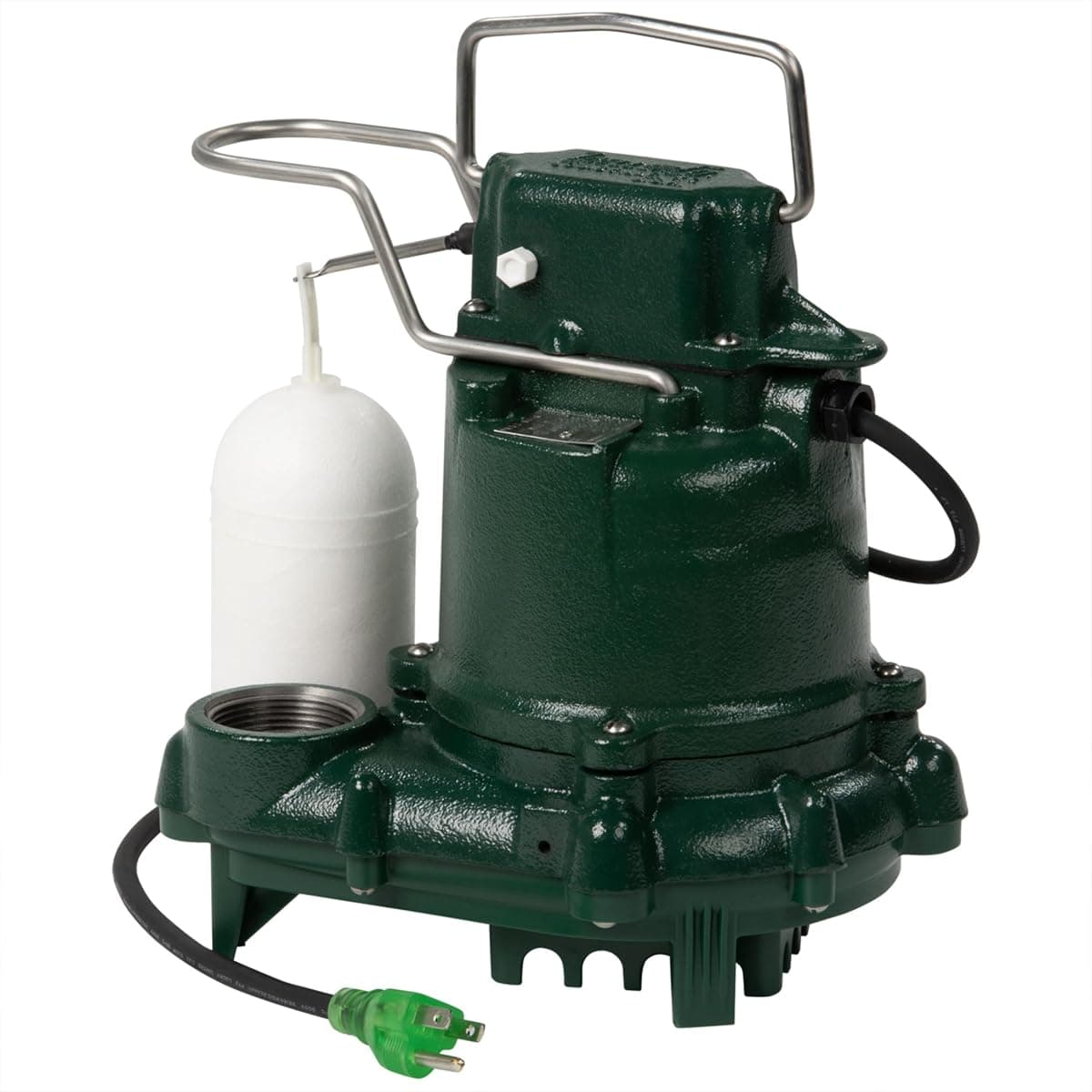
The Zoeller M53 is a 1/3 HP pump with a non-clogging vortex impeller, a float-activated switch, and cast iron throughout the switch case, motor and pump housing. It moves less water per hour than the Wayne by design. What it buys instead is a reputation: the M53 has been the plumber's default recommendation for decades, and its 4.6 stars across 3,276 ratings skew toward installations that have run silently for years.
Pit size decides more than power does
The M53's compact footprint suits small-to-average sump pits, the kind in most 1990s basements. The CDU980E's vertical float switch needs less horizontal clearance to cycle than a tethered float, which makes it the better fit for narrow or deep pits where a tether would snag on the wall.
Water volume decides the rest. If your pit fills fast during storms and the pump runs long cycles, the Wayne's additional horsepower and 5,490 GPH clear the pit quicker and cycle less. If your pit fills slowly and the pump mostly idles, the Zoeller's lower power draw and simpler mechanics are the lower-stress choice.
The warranty asymmetry
Wayne prints a 5-year warranty on the CDU980E listing. Zoeller's M53 coverage is shorter through most retail channels, and the brand's counterargument is durability: cast iron housings and a vortex impeller that passes debris without clogging. Both pumps have decades-long survivor stories in owner reviews. Read the warranty as insurance against early defects; the odds of either pump dying in year four are low.
The decision, by basement
Frequent heavy water, finished basement with valuables, narrow or deep pit: the Wayne CDU980E at $189 is the pick, and the longer warranty is the tiebreaker. Small pit, moderate water table, or replacing a decades-old M53 that finally wore out: buy the Zoeller again; its reliability record is the reason it held its value longer than the Wayne.
Owners replacing a failed pump should also check the discharge diameter and check-valve before ordering, since mismatched plumbing kills more new pumps than motor failure does. And when the two finalists are this close, run them side by side: Versa AI's comparison tool keeps the live prices and rating histories for both pumps on one page.
Frequently Asked Questions
Is Zoeller better than Wayne sump pump?
Neither is universally better. The Zoeller M53 wins on compact-pit fit, mechanical simplicity and a decades-long reliability record at 4.6 stars. The Wayne CDU980E wins on flow (5,490 GPH from 3/4 HP), vertical float switch for narrow pits, printed 5-year warranty and a $24 lower price.
How long should a sump pump last?
Seven to ten years is typical for quality cast-iron submersibles like the M53 and CDU980E, with sandy soil and heavy cycling shortening that. Owners who test the pump quarterly with a bucket of water catch switch failures early, which is the most common failure mode for both.
What size sump pump do I need for my basement?
Match horsepower to water volume, not house size. A 1/3 HP pump like the M53 handles typical slow-filling pits; step up to 3/4 HP like the CDU980E when the pit fills fast during storms, the discharge run is long, or the water table stays high through the season.
Why does my sump pump run every few minutes?
Either the check valve is leaking and water flows back into the pit, the float switch is stuck, or groundwater inflow genuinely matches that rate. A leaking check valve is the most common and cheapest fix; the pump cycling itself to death on a short cycle is the reason the valve exists.
Can I install a sump pump myself?
Yes for a replacement into an existing pit with matching discharge size: unbolt, lift out, attach the new check valve and plumbing, level the pump, and test with a bucket of water. First-time pit installation involves digging, drainage line work and permits in some municipalities, and is worth a plumber.
Shop smarter with Ask Versa AI
Get occasional product-comparison tips and new features as they ship. No spam.