Are Robot Vacuums Worth It? The Honest Math for 2026
Sticker price, consumable costs, and the hours a robot vacuum actually returns. A 2026 breakdown of who gets their money's worth and who should skip it.
By the Ask Versa AI Editorial Team. Ask Versa AI content is AI-assisted and editorially reviewed before publishing; specs and review sentiment are pulled live from Amazon.
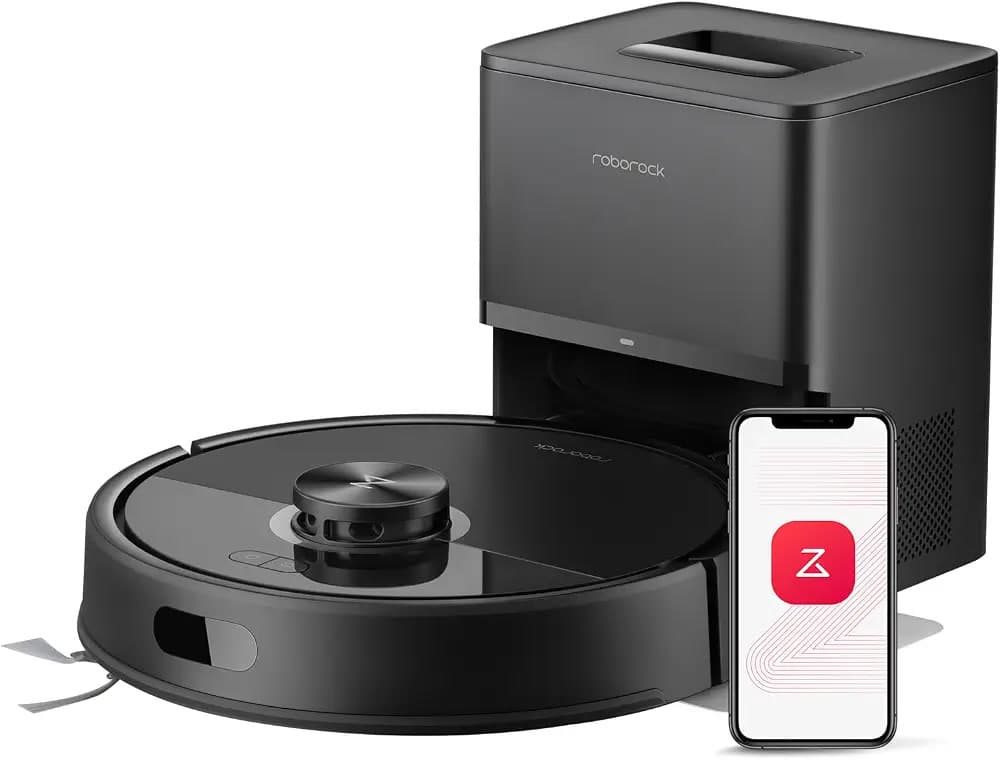
Robot vacuums are the rare appliance where the internet agrees on the verdict and still fights about the receipt. In one corner, r/IsItBullshit: the machines "excel at maintenance cleaning," meaning the house stays constantly cleaner because you run the thing every day or two without thinking. In the other, r/homeautomation, on service plans and consumables: "Spending 1/3 to 1/2 the price of a high-end unit every year in maintenance is obscene."
Both are right. Whether a robot vacuum is worth it for you comes down to three numbers: what your floors are, how often you would genuinely run it, and what the upkeep actually costs across the years you keep it. Here's the math without the marketing.
The core job it wins, and the one it doesn't
A robot vacuum's superpower is frequency, not depth. Nobody's Roomba out-cleans a person with a corded vacuum doing a proper pass. What it does is run three or four times a week whether you feel like it or not, and that changes the baseline state of the house. The cat-hair example from r/unpopularopinion is the classic case: tufts that used to drift around the apartment "like tumbleweeds" simply stop existing, because the machine eats them daily before they accumulate.
What it does not do is replace deep cleaning. Edges, corners, stairs, and anything a toddler just poured all stay manual jobs. On r/Frugal, a convert described the realistic equilibrium: they still sweep and vacuum manually, "but far, far less."
The money math people skip
Take a mainstream mid-range robot at $400-800. Over a three-to-five-year ownership, add:
Now the return side. If the machine runs four times a week at ~50 minutes a run, it covers around 170 hours of floor contact a year that you didn't spend. If you were never going to run your upright four times a week, that's 170 hours of cleaning you were simply not doing, and the cleanliness gain is real but partial. If you were doing it by hand, it's 170 hours of your life back. Same machine, wildly different value.
Who gets their money's worth
The pattern across every honest thread is consistent:
Who should skip or wait
The verdict
For a pet or kid household with mostly hard floors, a mid-range robot vacuum is worth it almost regardless of which one you buy, because the value comes from the running, not the model. Buy a proven mid-ranger on sale, budget $100 a year for parts, and automate the schedule on day one. For shag carpet, chronically cluttered floors, or a household that vacuums weekly and happily, the money is better spent elsewhere.
Frequently Asked Questions
How long do robot vacuums last?
Four to six years is a realistic span, with a battery replacement around the midpoint. Owners on maintenance threads report longer runs when consumables are changed on schedule rather than when performance visibly collapses.
How much do robot vacuum consumables cost per year?
Roughly $50-120 for filters and brushes on a typical mid-range machine, more with bagged self-empty docks or proprietary mop pads. Third-party consumables cut the figure substantially if you don't mind off-brand parts.
Do robot vacuums replace normal vacuuming?
No. They reduce it. Manual deep cleans still win on edges, stairs, and ground-in dirt, and most satisfied owners describe cutting manual vacuuming from weekly to occasional rather than eliminating it.
Are robot mop combos worth it?
As vacuums, usually yes; as mops, only the self-washing-dock designs. The basic pad-dragging combos generate the most consistent owner complaints, so if mopping drives the purchase, that's the tier to research, not the cheapest combo on sale.
If you've got two specific models shortlisted, Versa AI will surface where their owner reviews actually disagree.
Shop smarter with Ask Versa AI
Get occasional product-comparison tips and new features as they ship. No spam.