Best 3D Printer for Kids: Match the Machine to the Age
What a 6-year-old needs from a 3D printer differs from a 14-year-old. Age-by-age picks, the safety rules that matter, and honest prices for 2026.
By the Ask Versa AI Editorial Team. Ask Versa AI content is AI-assisted and editorially reviewed before publishing; specs and review sentiment are pulled live from Amazon.
Start With the Age, Not the Machine
The bestselling "3D printer for kids" on Amazon is not a printer at all. A September 2026 scan of Amazon.com bestsellers puts the SCRIB3D P1 3D printing pen at $34.99 with more than 10,000 units bought per month, outselling every dedicated kids' printer on the list combined. Ten thousand households a month have voted, and they are right: below a certain age, a pen beats a machine.
Past that age the choice splits into three bands, and each band wants a different machine. Buy for the kid you have, not the maker you hope they will become. A $330 printer handed to a seven-year-old becomes a $330 shelf ornament by October. The same machine in a fourteen-year-old's room prints cosplay parts until 2am.
The scan also shows what "kid safe" marketing is worth on a box: almost nothing. The machines that succeed with children succeed for structural reasons, enclosed frames, app-first workflows, and forgiving price tags, not because of a cartoon logo. Those structural reasons organize everything below.
Ages 6 to 9: a pen, not a printer
A pen extrudes warm PLA filament the instant a child presses it to paper. No slicing, no 45-minute wait, no failed print. The feedback loop is the whole game at this age: a six-year-old will not wait three quarters of an hour for a result, and a single spaghetti failure would end the interest permanently.
The SCRIB3D P1 sits around $35 and draws in 3D the way a glue gun writes, with cooler plastic and finer tips. Supervision still applies; the tip is warm and small fingers find it. The trade is precision, since a pen draws freehand shapes rather than engineered parts, but engineered parts are not what a seven-year-old wants. A lizard standing on the desk tonight beats a perfect castle that never finishes.
The under-$100 question
Searches for a kids' printer under $100 mostly surface two things: toys with a nozzle bolted on, and the pens above. The September scan found no credible machine between the $35 pen tier and $199.99, where the Entina Tina2C sits. That floor is worth respecting. A $70 no-name printer combines the worst of both worlds: real burns and real failure modes, with print quality too poor to hold a child's attention. If the budget tops out below $100, the pen is the purchase, and the machine waits for a birthday with real room behind it.
Ages 10 to 13: enclosed, app-driven, boring on purpose
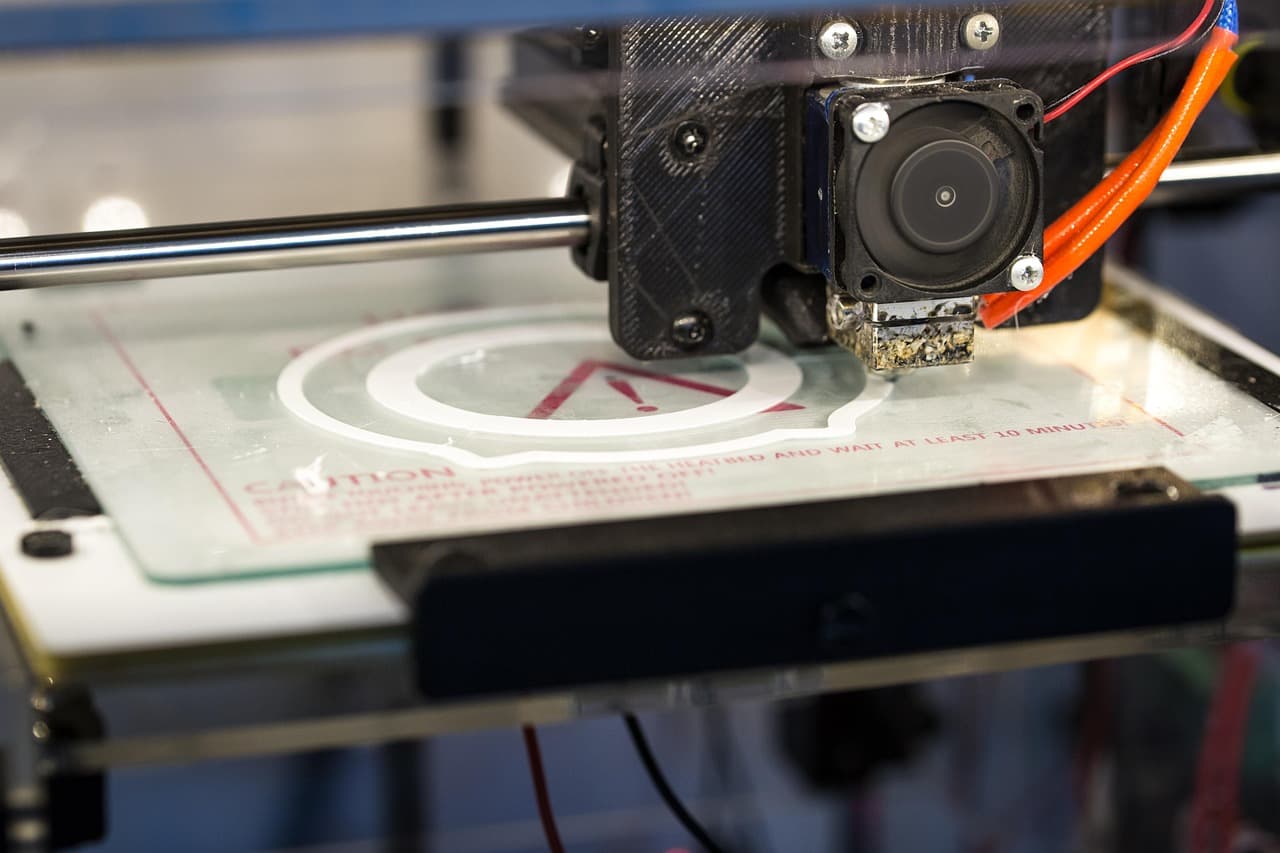
The first real printer enters here, and two features matter more than any spec sheet: an enclosed or shrouded frame, and an app-driven workflow.
The enclosure is safety. A ten-year-old will touch a hotend once no matter what the house rules say, so the hotend should be hard to reach. It also keeps fingers out of the moving gantry and steadies prints against table bumps.
The app matters for a different reason. Kids this age do not want to learn CAD or slicer settings; they want to pick a dragon, press print, and hold it tomorrow morning. Machines built around that flow get used weekly. Machines that demand a PC, firmware thinking, and calibration rituals get used twice.
Two machines from the September scan fit this band:
Ages 14 and up: buy the adult machine
Toy-adjacent printers have a shelf life measured in months once a teenager gets serious, and 2026 prices removed the excuse for buying them. The machines teens keep using are the ones adults buy.
Temperament picks the route:
The full decision between those two classes lives in our Ender 3 V3 SE vs Bambu A1 mini comparison, and the wider market is covered in the 2026 3D printer buying guide.
Kid-Safe 3D Printers: Rules That Are Not Negotiable
Frequently Asked Questions
What age is right for a first 3D printer?
Around ten, with an enclosed, app-driven machine and an adult within shouting distance. Younger than that, a 3D pen delivers the experience without the wait or the burns. Fourteen and up, skip the kids' tier and buy an adult machine.
Are resin printers safe for kids?
No. Liquid resin irritates skin on contact, the fumes need real ventilation, and every wash and cure step involves chemicals you would not hand a child. Resin belongs in a vented adult workspace. Start kids on filament machines.
Is a 3D pen better to start with?
For ages 6 to 9, usually yes. Feedback is instant, cost is around $35, and there is no failure mode that ends in tears. The trade is precision, since pens draw freehand shapes rather than parts. By ten or eleven most kids want real prints and outgrow the pen.
Do kids' printers need a computer?
The app-driven ones do not: design or pick a model on a tablet or phone, then print from a memory card. Teen-class machines benefit from a computer for slicing, though browser-based tools now cover most of that too.
A printer that survives its first month in a kid's room is the one that gets used for years. Once the age band narrows your list to two machines, run both through Versa AI and let the owner-review record show which one holds up after the novelty fades.
Shop smarter with Ask Versa AI
Get occasional product-comparison tips and new features as they ship. No spam.