Best 3D Printer for Miniatures: Detail Has a Price
What a 28mm miniature demands from a printer, where FDM tops out, and what a resin setup costs once wash, cure, and PPE are counted. For tabletop hobbyists.
By the Ask Versa AI Editorial Team. Ask Versa AI content is AI-assisted and editorially reviewed before publishing; specs and review sentiment are pulled live from Amazon.
What a 28mm Miniature Demands
Hold a painted 28mm figure under a bright light and you can see individual brush strokes on a shield the size of a fingernail. A printer that hopes to satisfy a mini painter works at that scale: faces with expressions, sword tips, chainmail texture. In printer terms that means layer heights around 0.02-0.05mm and matching XY resolution, because most of what reads as detail on a miniature is precision across the horizontal plane.
That number is the whole argument. FDM printers push melted plastic through a 0.4mm nozzle, and their practical detail tops out around 0.1mm. Resin printers cure whole layers through an LCD mask at once, and current machines resolve 0.02-0.05mm on a small build plate. The gap between 0.1mm and 0.05mm sounds small. On a 28mm face it is the difference between eyes and blobs.
Can FDM Print Miniatures? Where FDM Tops Out
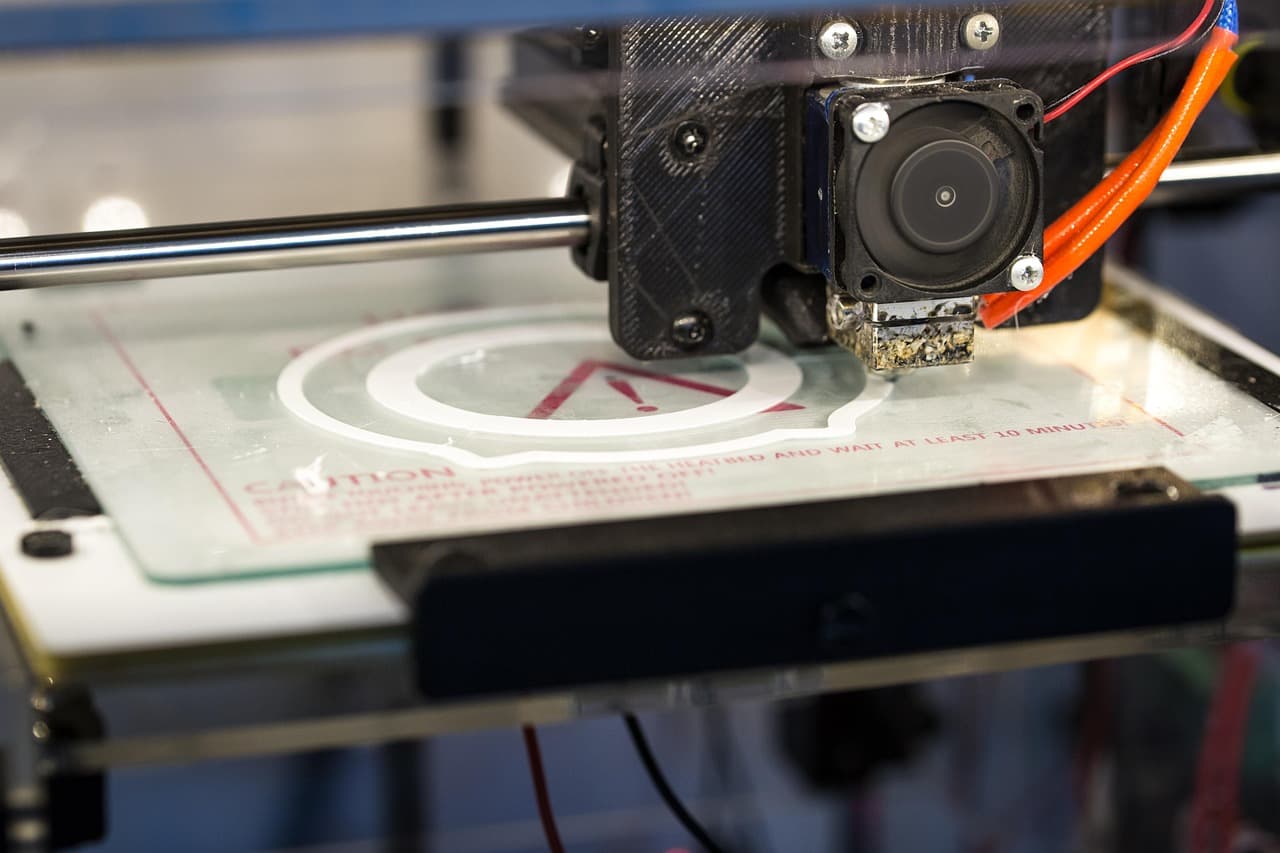
Stand an FDM-printed miniature next to a resin one and the tells are immediate. Layer lines stripe every cloak and flat surface. Fine features (sword hilts, fingers, noses) come out soft or fused. Supports leave scars on the surfaces that overhangs force them onto, and on a miniature that is usually somewhere visible.
FDM minis are printable. Decent results are possible with a 0.2mm nozzle, slower speeds, and patient post-processing, and the r/3Dprinting threads on the topic keep circling the same conclusion: an FDM machine produces table-ready pieces for rank-and-file troops at arm's length, and hero characters deserve better. The machine is not the limit; the physics of extruding plastic through a hole is.
Support placement is the quieter problem. A miniature is mostly overhang: shoulders, weapon arms, cape edges, every part of a pose that leaves the vertical. On resin, supports touch a few square millimeters and snap off cleanly. On FDM the same supports lean against detail the nozzle just barely managed to print, and removing them takes the detail with them. That is why FDM minis get sanded, filled, and primed before painting, which is a hobby on top of the hobby.
| Factor | FDM | Resin |
|---|---|---|
| Practical detail | around 0.1mm | 0.02-0.05mm |
| Material per mini | $0.10-0.30 | $0.15-0.40 |
| Setup beyond the printer | Almost none | $150-400 (wash, cure, PPE, vent) |
| Failure mode at mini scale | Detached tips, layer shifts | Failed supports, cured goo |
| Mess and fumes | Minimal | Gloves, IPA, ventilation required |
The full process comparison, strength and heat resistance included, lives in our FDM vs resin breakdown.
The Resin Workflow Guides Skip
Resin detail has a price, and the printer is only part of it. A mini comes off the build plate coated in uncured resin, a skin irritant, and needs washing in isopropyl alcohol before a UV cure. The workflow every experienced hobbyist runs:
The complete first-setup budget, worked line by line in our resin beginner guide, lands around $450-750 against the $200-300 printer the ads show. Resin printing in 2026 is friendlier than it used to be, with low-odour and water-washable resins and bundled wash-and-cure stations; our rundown of what changed covers the current state. The safety floor has not moved.
Cost Per Mini
Material cost is the surprise: it is pennies either way.
A 28mm miniature weighs a few grams. At resin prices of roughly $25-40 per kilogram and PLA around $20 per kilogram, the material in one figure costs somewhere between 10 and 40 cents on either process. Resin supports nudge the figure higher, since supports print and then go in the trash, but the resin budget that matters is the setup: wash, cure, gloves, and ventilation run a few hundred dollars before the first mini cures.
FDM's extra cost is failure and reprints. Thin sword tips and small feet are exactly the features that detach mid-print, and every failed mini costs an evening as well as the plastic. Resin fails too, but a plate prints eight to twelve minis as a batch, so one good cycle outfits a whole warband. That batching is also why resin painters forgive the slower workflow: the machine is busy either way.
Frequently Asked Questions
Can FDM print good miniatures?
Readable ones, yes. The recurring advice across r/3Dprinting is that FDM handles table-distance pieces, especially chunky monsters and terrain. Faces, fine weapons, and hero characters come out visibly softer than resin even with a 0.2mm nozzle and slow speeds.
Is resin worth it for D&D?
If you print miniatures regularly and can dedicate a ventilated spot, yes. The per-figure cost is cents and the detail is what players notice. If you print a handful of figures a year, the $150-400 setup around the printer outweighs the benefit.
How much does a printed mini cost?
Material runs $0.10-0.40 per figure on either process. The real costs sit around it: resin adds wash-and-cure gear and PPE up front plus thrown-away supports, while FDM's cost arrives as reprints when small features fail mid-print.
Do I need a wash and cure station?
For resin, yes. Prints come off the plate coated in uncured resin, which should not touch bare skin. Wash in IPA, or water with water-washable resin, then cure under UV. Bundled stations cost $80-150 and are the first purchase after the printer itself.
If Minis Are the Hobby, Resin Wins
A D&D group printing whole parties, a painter building an army, anyone who cares what a face looks like at the gaming table: resin wins that decision, and it is not close. The detail ceiling is a property of the process, and no amount of FDM tuning closes it. Budget the wash-and-cure station and safety gear on day one, because a resin printer without them produces nothing usable.
FDM earns its place on the rest of the tabletop. Terrain, buildings, vehicles, and big monsters are where FDM is stronger anyway: large parts print cheap, survive being dropped, and hide layer lines under a decent primer. A ruined farmhouse costs two dollars of PLA and a workday of unattended printing; the same piece in resin ties up a big plate, a liter of material, and a wash tank. Plenty of hobbyists run both, resin for figures and FDM for scenery, and that pairing costs less than one compromise machine straddling both jobs.
Once you have picked your process, the machine choice inside it is down to two or three candidates. Score them against each other at Versa AI; the winner at 0.05mm layers is rarely the one with the fastest spec sheet.
Shop smarter with Ask Versa AI
Get occasional product-comparison tips and new features as they ship. No spam.