FDM vs Resin 3D Printers: Choose by Part, Not by Hype
Resin wins detail, FDM wins strength, size and clean hands. A part-by-part way to pick between the two processes, with real cost math for each.
By the Ask Versa AI Editorial Team. Ask Versa AI content is AI-assisted and editorially reviewed before publishing; specs and review sentiment are pulled live from Amazon.
A mounting bracket and a 28mm goblin want different machines, and no chart compares them fairly, because the chart is not measuring the same thing. FDM and resin are not two brands competing on features. They are two manufacturing processes with different physics, and the physics decide which one makes your part well. Framed as resin vs filament, the question sounds like taste. Framed as "what am I printing," it usually has one answer.
That is the approach this guide takes: name the requirements of the parts you want, match them to the process, and only then look at machines. Worked cost math comes first, because most of the argument online is people with different parts talking past each other.
Two Processes, Two Physics
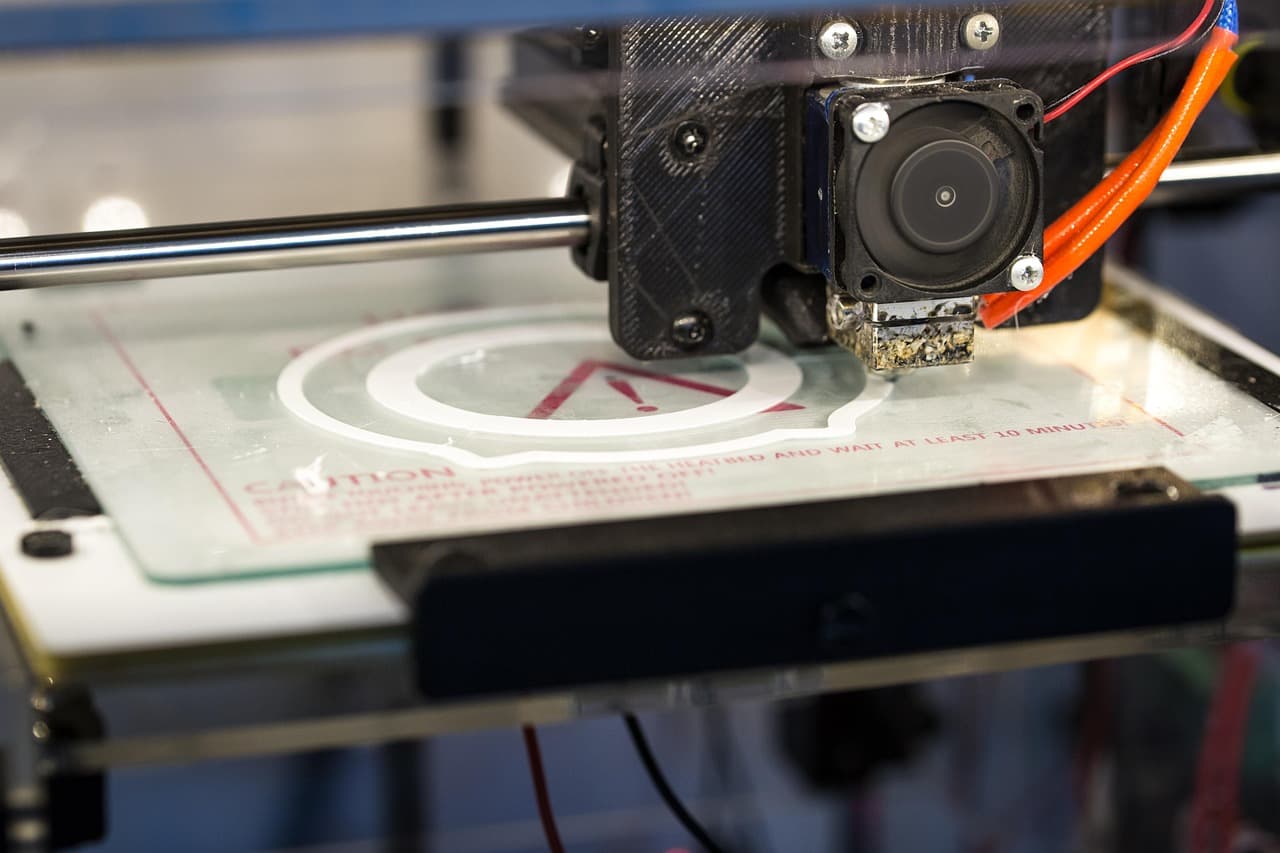
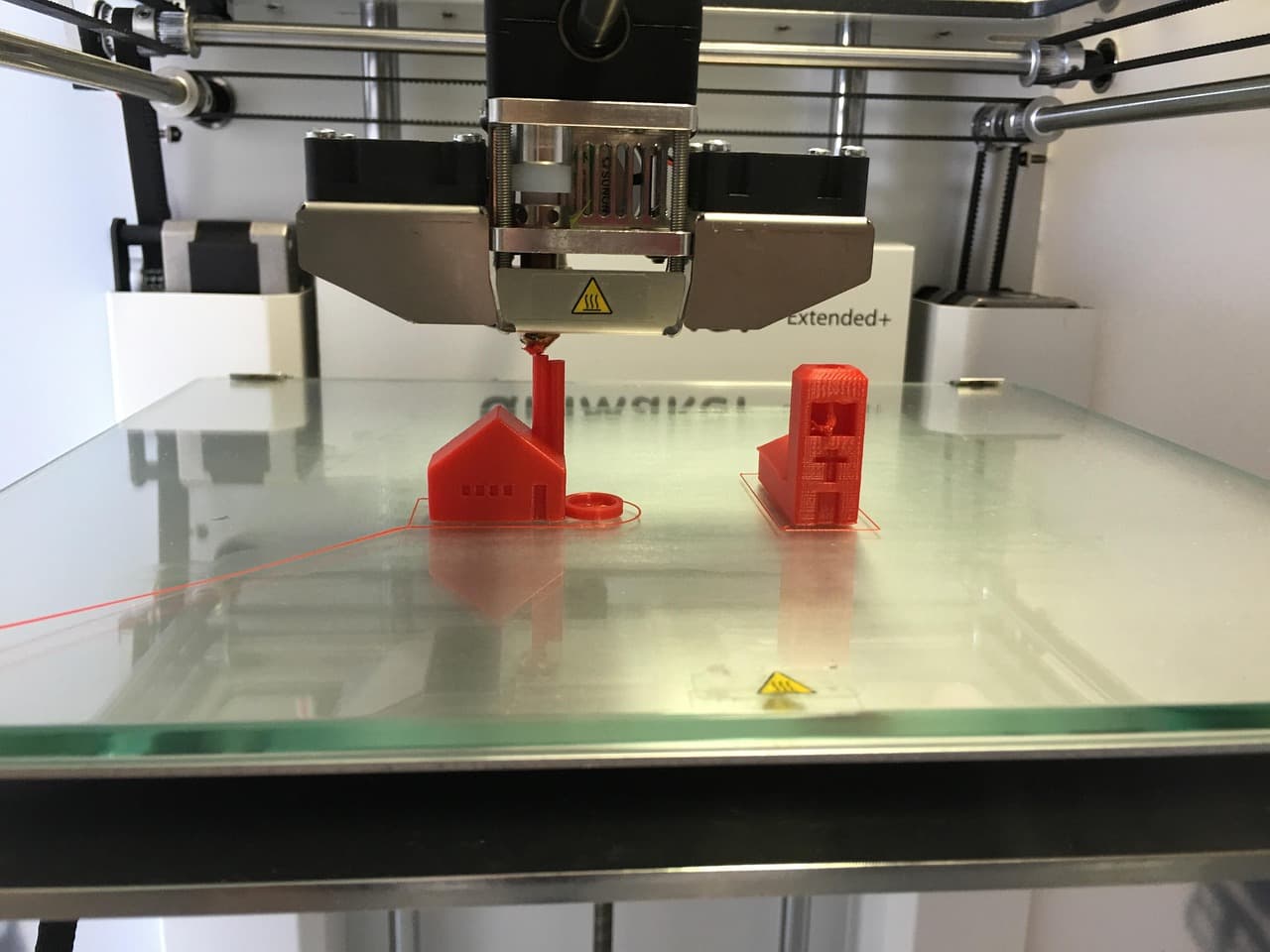
FDM, fused deposition modeling, melts a plastic cord and draws the part layer by layer through a nozzle, usually 0.4mm wide. Resin printing, in the consumer form of SLA called MSLA, uses an LCD screen as a mask to cure liquid photopolymer with UV light, one whole layer in a flash.
Everything downstream comes from that difference. A nozzle that draws lines cannot draw finer than its line, which is why FDM has a practical detail floor around 0.1mm. A screen that flashes whole layers resolves detail down to its pixel pitch, which is why consumer resin machines advertise 0.02 to 0.05mm of XY detail. The same physics cuts the other way on strength. A cured resin part is a densely cross-linked plastic, stiff and hard but brittle in thin sections. An FDM part is a weld between printed roads of thermoplastic, and its strength depends on the plastic: PETG, ABS, ASA, and nylon carry loads and heat far past what standard resin tolerates.
The Part Requirements, Measured
| Requirement | FDM (filament) | Resin (MSLA) |
|---|---|---|
| Practical detail floor | ~0.1mm layer lines | 0.02-0.05mm XY detail |
| Strength and heat | PETG, ABS, ASA, nylon parts take loads and warmth | Standard resin is stiff but brittle; high-temp formulas cost more |
| Build volume | Commonly 220-350mm cubes and up | Smaller; volume raises the price faster |
| Entry machine cost | $200-300 (Ender 3 V3 SE bundle $201.74, Bambu A1 $299.99 in our scan) | Similar, plus a wash-and-cure step |
| Mess and safety | Warm plastic; ventilate for ABS | Uncured resin: gloves, ventilation, disposal rules |
| Post-processing | Support snaps off, light sanding | Every part washed and cured; support nubs everywhere |
Every row of that table is a forum argument in miniature, so read the rows against your own parts rather than as a scoreboard. If no row moves you, the choice is a coin flip and the budget should decide it.
What Each Part Actually Costs
FDM cost per part is filament weight. An 80-gram print at the $15-25 per kilogram most PLA sells for costs $1.20 to $2.00 in plastic. Electricity adds pennies: a printer drawing 100-150 watts for three hours uses less than half a kilowatt-hour, about 7 to 9 cents at typical US rates of $0.15-0.20 per kWh. Cost scales with part size, which is one reason FDM owns brackets, boxes, organizers, and cosplay.
Resin parts are smaller, so the raw liquid often costs less per part. A 30-gram miniature at $20-35 per liter of resin is under a dollar of material. The stack around it is what people miss. Isopropyl alcohol for washing (or water, with water-washable resins), cure time, nitrile gloves, and filter changes are all consumables, and a failed resin print is a complete loss cured into a solid chunk. For small detailed work the math still favors resin, because an FDM machine would have to fake the detail at several times the size. For anything bigger than a fist, filament wins on cost almost every time.
The Safety Budget Nobody Prices In
Uncured resin is a skin sensitizer, meaning repeated exposure can turn every future exposure into a rash, and the safety guidance that ships with every bottle says the same three things: nitrile gloves, ventilation, and nothing down the drain. None of it is hard. All of it is mandatory, and it is the honest reason resin is a poor first printer for a shared or kid-adjacent space. Our resin beginner walkthrough covers the full setup without gloss.
FDM's safety bill is smaller. PLA and PETG print with no special handling. ABS and ASA release styrene while melted, so ventilation applies even on enclosed machines; that trade-off gets its own treatment in our enclosed vs open frame guide.
Which 3D Printer Technology for Which Part
One note inside whichever branch you land: the slicer software differs by process, and the resin side is simpler, with fewer knobs that matter. Our beginner slicer guide covers the filament side, where settings change outcomes most.
Frequently Asked Questions
Is resin stronger than FDM?
Not in the way that matters for functional parts. Standard resin is stiff but brittle, so thin sections snap instead of flexing. FDM parts in PETG, ABS, or nylon bend, survive drops, and hold loads. Tough and high-temp resin formulas close some of the gap at a higher price per liter.
Which is cheaper to run?
For small, detailed parts, resin: the liquid per part is cheap and FDM cannot match the detail at any size. For everything else, filament, because cost scales with part weight and PLA is cheap, while resin adds wash-and-cure consumables on top of the liquid. Big parts are always an FDM cost win.
Can an FDM printer make good miniatures?
Passable ones. At a 0.1mm practical detail floor, FDM prints large-scale minis and terrain that read well on a table. Standard 28mm-scale faces and blades show layer lines that resin does not have. Dedicated miniature painters end up on resin almost every time, which is the reasoning behind our miniatures guide.
Should my second printer be resin?
If you keep printing small detailed parts on an FDM machine and wishing they were crisper, yes. It adds a workflow (wash, cure, gloves) rather than just another device, so treat the habit change as part of the price. If your FDM backlog is all functional parts, a resin machine would sit idle.
A Branch, Not a Winner
The process choice is the one decision in 3D printing that no firmware update can fix later, and it is also the one with a clean answer. Match the part to the requirement, detail or strength, and the branch picks the machine class for you. Once you know your branch and two specific models are left, Versa AI weighs their current listings against the people who bought them, so the machine choice runs on this month's prices and complaints instead of launch-week reviews.
Shop smarter with Ask Versa AI
Get occasional product-comparison tips and new features as they ship. No spam.