How to Charge a Portable Power Station: Solar, Car, Wall
Wall, car and solar charging explained with a charge-time formula and worked examples. How long a 1,000Wh-class power station takes to refill, route by route.
By the Ask Versa AI Editorial Team. Ask Versa AI content is AI-assisted and editorially reviewed before publishing; specs and review sentiment are pulled live from Amazon.
The Input Side Decides How You Live With It
Capacity gets the marketing attention. Input watts decide how the device fits your life. A 1,152Wh BLUETTI AC180 refills from a wall outlet in about two and a half hours at its 500W input rate. Feed the same battery from a 100W panel and the formula says 13 hours of good sun, which spans most of two days in much of the US. Same tank, a different ownership experience.
That gap is the whole reason to learn how to charge a portable power station properly. Fast wall input turns a station into outage insurance you top up the night before a storm. Solar-only input means you plan around weather and season. Here are the four routes, the formula that predicts each one, and the habits that keep the battery alive while you do it.
How to Charge a Power Station: The Four Routes In
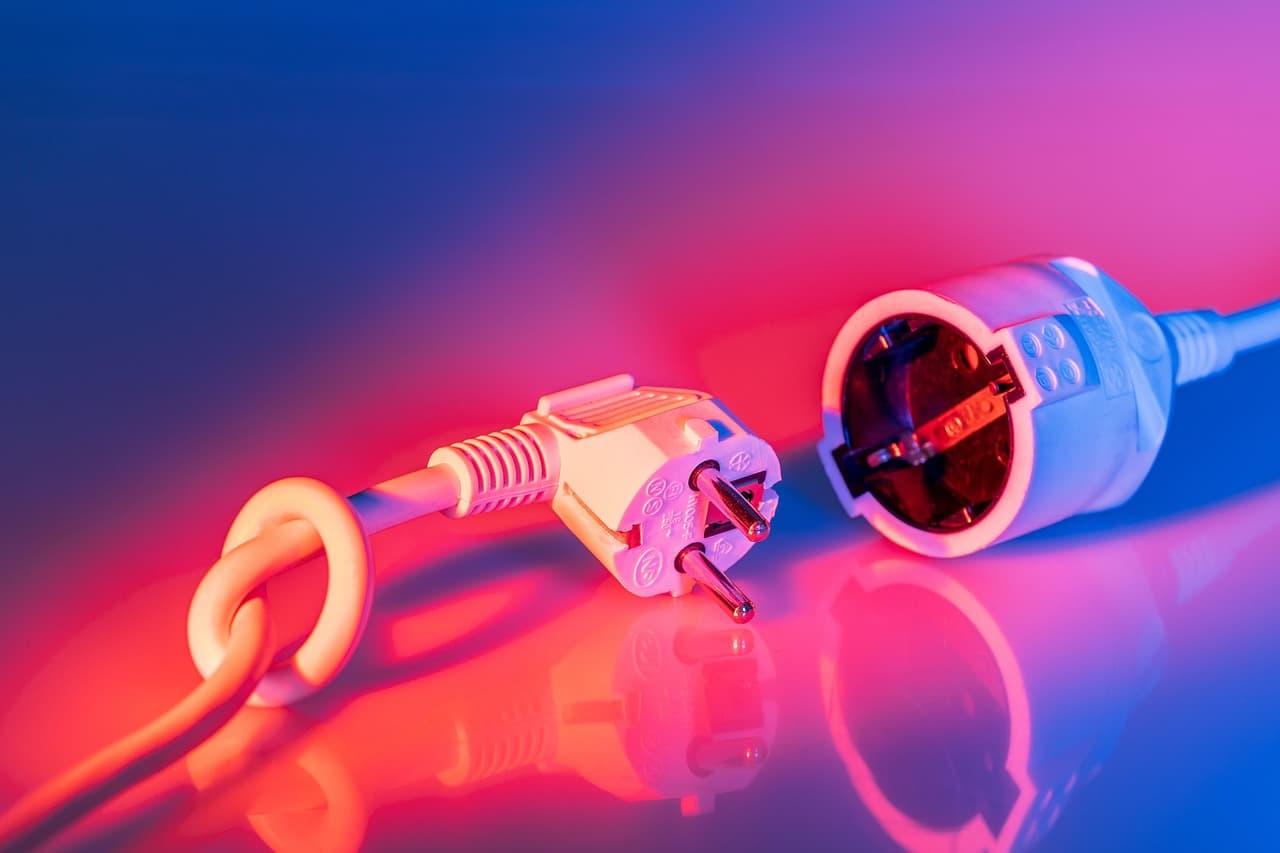
Wall power (AC input). The fast lane, and the one that should influence your purchase most. Current 1kWh-class units take high AC input; Jackery advertises roughly an hour to full for the Explorer 1000 v2 on wall power, and the AC180 needs about 2.6 hours at its 500W rate. If a listing hides the input wattage, ask. Two stations with identical capacity can differ by three to five hours on recharge.
Car 12V outlet. The slow lane. A car socket was designed for phone chargers, not 1,000Wh batteries, and most units draw on the order of 100-200W from it. It works as a top-up while you drive to a campsite. It does not work as a primary recharge route unless you have days.
Solar. The route everyone asks about and the one most people overestimate. The details live in the next section, but the honest summary is: solar recharges are measured in peak-sun hours, not wall-clock hours, and panels rarely produce their label wattage.
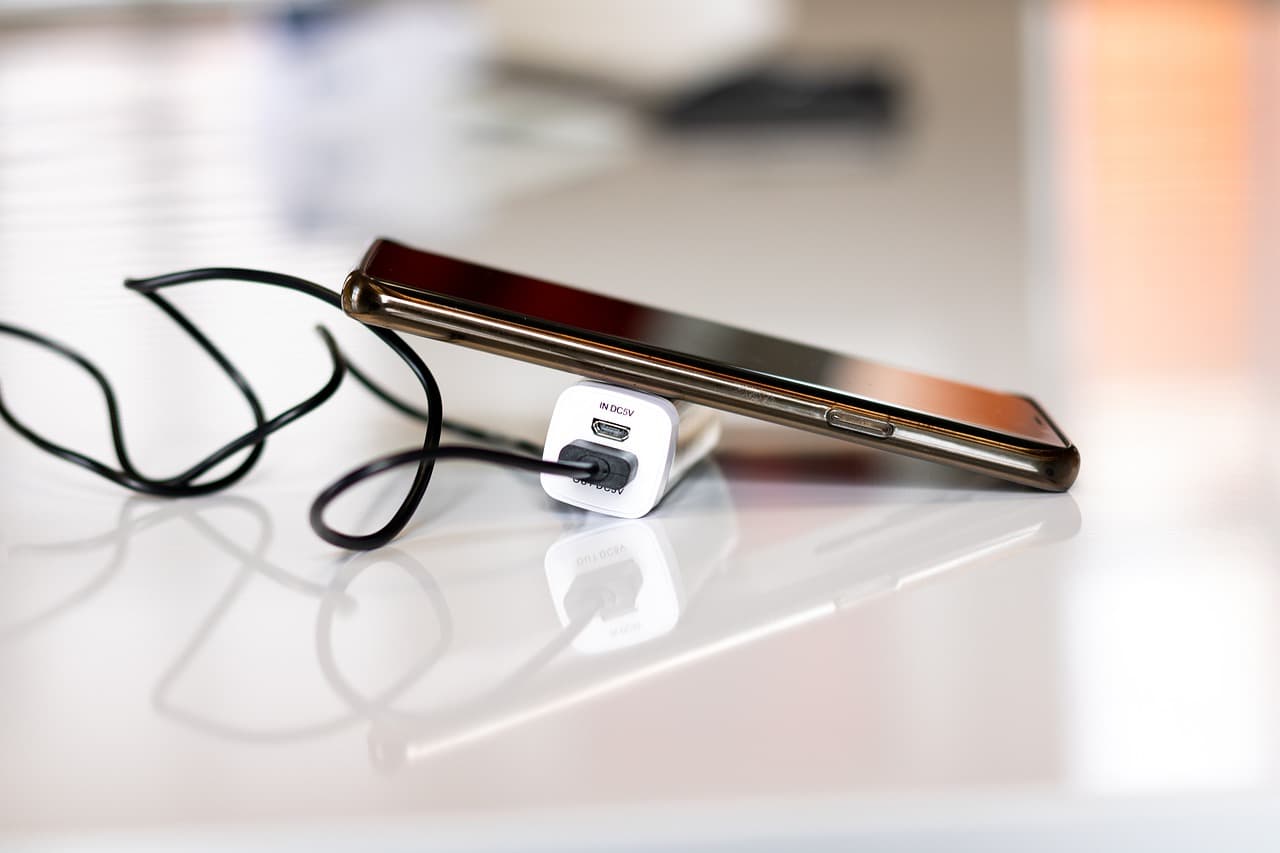
USB-C. Worth checking on compact units. Many small stations recharge over USB-C Power Delivery at 60-140W, which is slow for the battery but handy because your laptop brick becomes a backup charger. On 1kWh units it is usually absent or vestigial.
The Charge-Time Formula
One line predicts every route:
Hours to full = capacity (Wh) ÷ input watts × 1.15
The 1.15 factor covers conversion losses, because charging is not 100% efficient and a slice of every watt becomes heat. Two worked examples on the same AC180:
One caveat the formula cannot show: lithium charging tapers near full. The last 10-20% takes longer than the straight math suggests, so treat every result as a floor and add padding for the top of the charge.
Charge a Power Station With Solar Panels: VOC and MPPT
Matching a panel is where buyers waste money, usually in one of two directions.
The first mistake is buying a panel bigger than the station's solar input ceiling. If a unit accepts 200W of solar, a 400W array recharges it no faster. The ceiling is in the manual, and it is the first number to check before shopping for panels.
The second mistake is ignoring voltage. Every station has a voltage window for its solar input, printed as a VOC limit. Panels add voltage when you chain them in series, and exceeding the limit can damage the charge controller rather than just trip a breaker. Stay inside the window printed in the manual and let the station's MPPT tracking, which squeezes the available current out of whatever the panel offers, handle the rest.
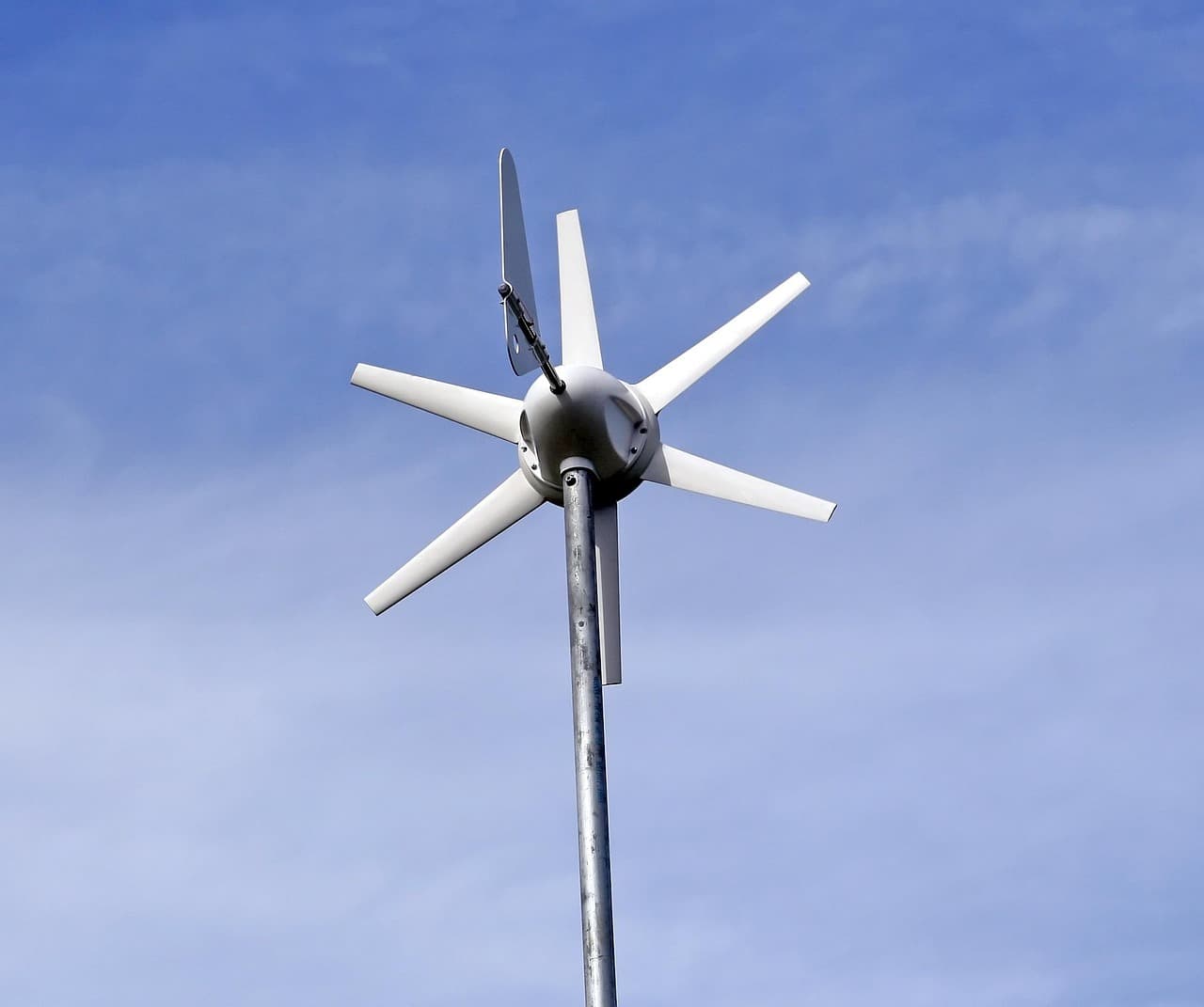
Then there is the label problem. A "200W panel" is a laboratory rating: cool cell, direct perpendicular sun, standard test conditions. Plan on 70-80% of the label on a clear day, less in heat, much less under haze or cloud. For quick mental math on whether solar fits your trip, use a solar charging time estimate of panel watts × 4 peak-sun hours × 0.75 against the capacity you need to replace. A 200W panel returns roughly 600Wh a day. That is half an AC180 in a full day of good weather.
Worked Recharge Times, Panel by Panel
The formula applied to the two most-bought 1kWh-class units from a September 2026 scan of Amazon bestsellers, both around $450-560 street price:
| Solar input | AC180-class (1,152Wh) | Explorer 1000 v2-class (1,070Wh) |
|---|---|---|
| 100W panel | 13.2 hours | 12.3 hours |
| 200W panel | 6.6 hours | 6.2 hours |
| 400W input | 3.3 hours | 3.1 hours |
Read those as hours of peak-equivalent sun, not hours on a wall clock. A common planning rule for the US is 4 to 5 peak-sun hours a day, so the 6.6-hour recharge is most of two days outside. The same table explains why serious solar users buy input ceiling first and capacity second: the 400W row is the only one that behaves like wall charging.
Dual and Turbo Charging
Many current units accept two inputs at once, wall plus solar, or in a few cases USB-C plus solar, and add them toward one recharge. That matters most after a partial outage: 90 minutes of grid power plus an afternoon of sun can beat a full evening on the wall alone. If recharge flexibility is why you are buying, put simultaneous-input support on your checklist next to the input ceiling.
Charging Habits That Protect the Battery
How you charge is also how the battery ages. The cycle-rating numbers on the box assume reasonable treatment, and the treatment is mostly about where the charge level sits between uses.
The chemistry behind this, and why the calendar ages a battery even in a closet, is covered in the piece on how long a power station lasts, and the myths post takes apart the "keep it at 100% so it is ready" belief properly.
Picking a Station by Its Recharge Clock
Capacity tells you how long the station runs. Input tells you how soon it is ready again, and after your first multi-day outage the second number will matter more. Wall input above 500W, a solar ceiling that matches the panels you intend to own, and simultaneous dual input are the three specs worth reading before price. The wattage and runtime math covers the output side of the same equation, and if the solar route appeals, the solar generator vs separate purchases comparison shows when the bundled panel is a deal and when it is padding.
When two stations tie on capacity, the recharge clock breaks the tie. Put your finalists in front of Versa AI and keep the one that will be full again before you need it.
Frequently Asked Questions
Can I charge a power station while using it?
Most current units support pass-through, meaning they run devices while accepting charge, though many manage it as a charge-then-discharge cycle rather than true simultaneous flow. Check the manual for the exact behavior. Expect the recharge to slow while the unit is also powering a load, since some of the input goes out the outlets instead of into the battery.
Does solar charging work on cloudy days?
Yes, but at a fraction of the rate. Overcast skies can leave a panel at 10-25% of its rated output, so a recharge planned as one sunny day becomes two or three gray ones. If your outages come with storms, size the solar input for the weather you will actually get, or treat the panel as a supplement to wall charging rather than the plan.
Why is my solar panel slower than its rated watts?
Panel ratings come from standard test conditions: cool cells and direct perpendicular light. Heat, off-angle mounting, partial shade and glass or dust each shave output, and the charge controller adds its own conversion losses. Producing 70-80% of the label on a clear day is normal. A panel stuck far below that on good sun usually has a connection or shading problem on one cell string.
Can I leave my power station plugged in all the time?
You can, and most units manage their own charging safely, but the battery pays for it. Sitting at 100% accelerates chemical aging, so a unit parked on the charger for years gives up capacity it never would have lost at a storage charge. If the app has a storage or maintenance mode, use it and unplug. If not, unplug at full and recharge to full before it matters.
Shop smarter with Ask Versa AI
Get occasional product-comparison tips and new features as they ship. No spam.