iPhone 17 Pro Max Case Guide: Protection Without the Brick
How to case Apple's biggest phone in 2026: MagSafe alignment on the camera plateau, drop ratings that matter, and the brands with proven fit records.
By the Ask Versa AI Editorial Team. Ask Versa AI content is AI-assisted and editorially reviewed before publishing; specs and review sentiment are pulled live from Amazon.
The iPhone 17 Pro Max is the heaviest, most expensive iPhone Apple sells, which makes its case decision more consequential than most: a poor choice either adds a centimeter of bulk to an already large phone or leaves a two-thousand-dollar camera plateau exposed. The 2026 case market has fully caught up to the new dimensions, and the good news is that the buying decision is more predictable than ever.
This guide covers what to verify before buying any 17 Pro Max case, which brands have the deepest fit records, and the one spec most listings get wrong.
Verify the camera-plateau cutout first
The Pro Max's rear camera plateau grew again this generation, and it is the feature that invalidates old case molds. A case cut for the 15 or 16 Pro Max leaves the plateau's edge exposed or interferes with lens hoods. Every listing worth buying states the exact model compatibility; treat "fits iPhone 15-17" as a warning sign rather than a convenience, because the camera geometry changed between generations.
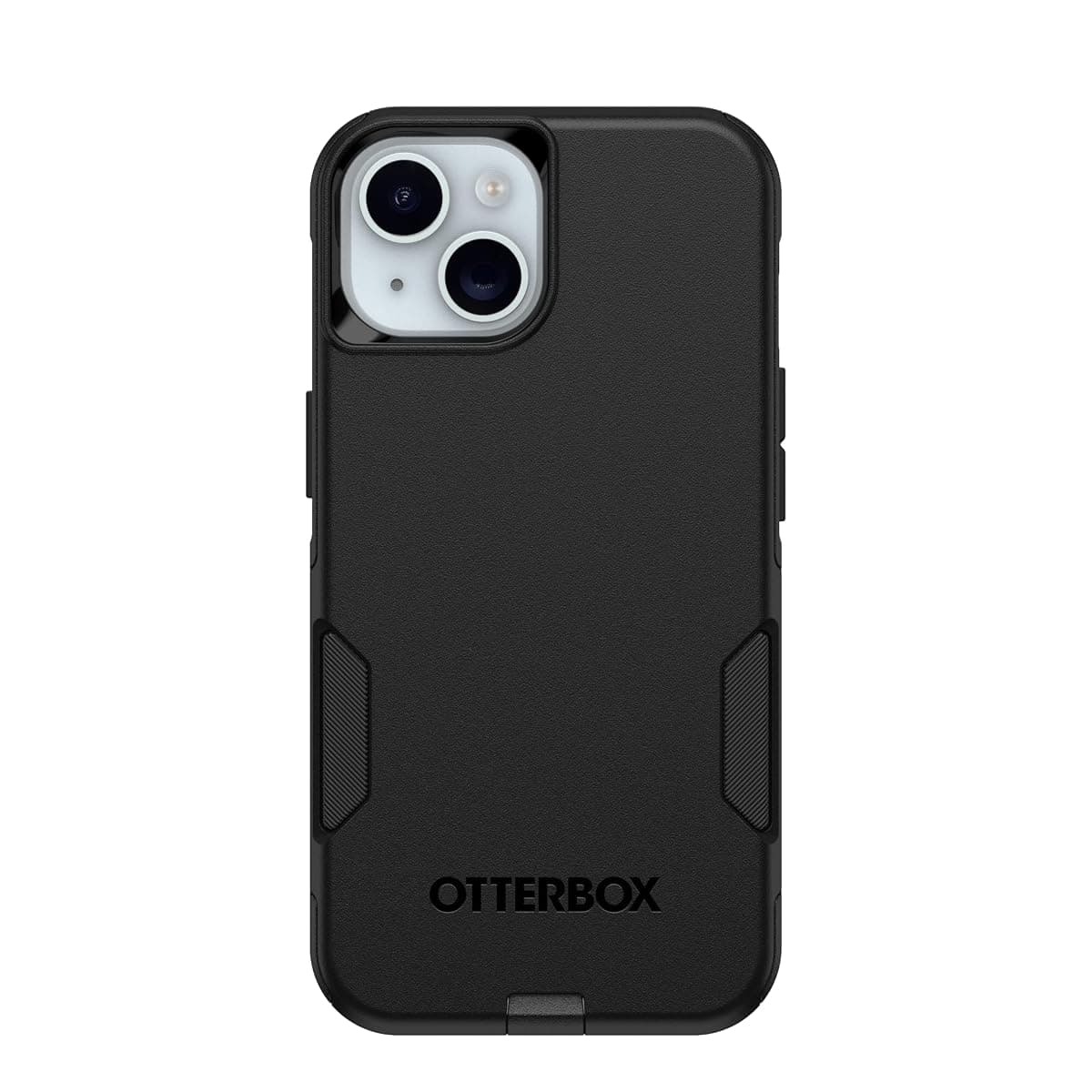
OtterBox's current Commuter series listing is a useful benchmark for how precise the good brands are: it enumerates exact compatible models (17e, 16e, 15, 14, 13) rather than claiming a range, and its 4.5-star record across 10,196 ratings reflects that fit discipline. Spigen takes the same model-specific approach across its Tough Armor and MagFit lines, where its iPhone 15-generation case holds 4.7 stars across 98,383 ratings.
Drop ratings: what the labels actually mean
Military-grade (MIL-STD 810G) drop claims mean the case passed a standard drop sequence in a lab, typically 26 drops from 4 feet. OtterBox advertises 3X that standard on the Commuter, and Spigen's Extreme Protection Tech covers its own equivalent. The honest read: both will survive everyday pocket-height and waist-height drops; neither makes the Pro Max invincible on tile. What varies between cases is corner coverage and lip height above the screen and plateau, which you can verify visually in listing photos rather than trusting the badge.
MagSafe is not optional at this size
On a phone this heavy, a case without a strong magnet array turns every MagSafe charger and car mount into a negotiation. Buy cases with built-in aligned magnet arrays (Spigen's MagFit line, Apple's own cases, OtterBox's MagSafe variants) and skip magnet stickers. The Pro Max's battery size also makes MagSafe power banks genuinely useful, which only works with a magnet-array case.
The three-case strategy
Most owners need exactly one case and should buy for daily use: a MagFit-class protective case in the $25 to $45 band covers 95 percent of the market's needs. A slim case for formal events is the second purchase, accepting reduced drop rating. A rugged case with port covers, OtterBox's territory, is only for worksites and outdoor trades. Buying all three at once is the classic over-purchase; the daily case tells you within a month whether you need the others.
Whichever two cases make your shortlist, verify current pricing and the fit record for your exact model before paying. Versa AI's comparison tool reads both listings side by side, including the compatibility lines and review sentiment, so a new-generation phone never gets an old-generation case.
Frequently Asked Questions
Does the iPhone 17 Pro Max need a case?
Apple's Ceramic Shield glass and titanium frame improve scratch and bend resistance, but rear-glass and camera-plateau repairs remain among the most expensive in the phone market. A basic protective case pays for itself the first time it prevents a corner drop, which is why even careful owners case this model.
Do iPhone 16 Pro Max cases fit the 17 Pro Max?
No. The camera plateau geometry and button layout changed between generations, and cases cut for older Pro Max models leave the new plateau exposed or block controls. Buy cases explicitly listing 17 Pro Max compatibility; exact-model listings are the reliability signal.
Which case brand is most protective for the iPhone 17 Pro Max?
OtterBox's Commuter and Defender lines and Spigen's Tough Armor line are the protection benchmarks, both advertising military-standard drop testing and holding 4.5-plus star records across previous-generation fits. Choose OtterBox for dust-and-worksite sealing, Spigen for MagSafe integration and lighter daily carry.
Do MagSafe chargers work through cases?
Yes, through cases with built-in magnet arrays and reasonable thickness (up to roughly 3 mm). Cases without magnets charge wirelessly but hold weakly or not at all on MagSafe mounts and power banks. Magnet-array cases like Spigen's MagFit line preserve full charging and accessory strength.
How much should I spend on an iPhone 17 Pro Max case?
$25 to $45 covers the full protective market from Spigen, OtterBox and similar brands. Below $15, drop ratings and magnet strength decline sharply; above $60 you are buying leather, fashion branding or exotic materials, none of which improve drop survival at this phone's size.
Shop smarter with Ask Versa AI
Get occasional product-comparison tips and new features as they ship. No spam.