Lenskart BLU Review: Do Blue-Cut Glasses Earn the Hype?
Lenskart BLU claims 98% blue-light blocking. We audit that claim against the science of digital eye strain, plus who genuinely benefits from blue-cut lenses.
By the Ask Versa AI Editorial Team. Ask Versa AI content is AI-assisted and editorially reviewed before publishing; specs and review sentiment are pulled live from Amazon.
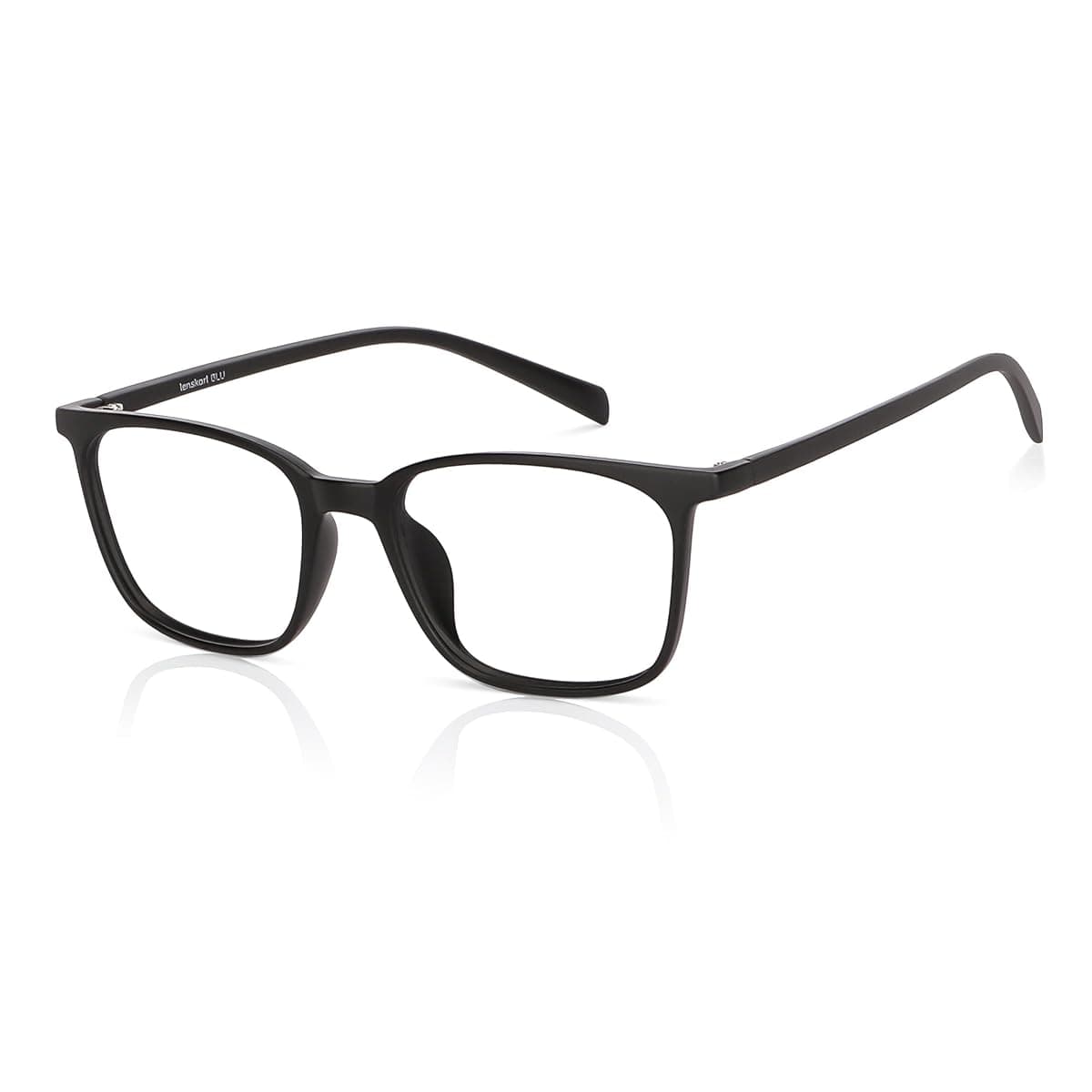
Lenskart BLU is the most visible blue-cut glasses brand in India, sold as zero-power computer glasses with a claim to effectively block 98 percent of blue rays, positioned against screen-heavy workdays and marketed with the promise of less eye fatigue. The Amazon.in listing carries Lenskart's usual pricing confidence, and the brand's reach means BLU is the default blue-light purchase in India.
The honest review question is not whether the glasses work as glasses. It is whether blue-cut coating does what the marketing implies, and the answer is more nuanced than either the listing or the Reddit skeptics claim.
What blue-cut lenses actually do
Blue-cut lenses filter a portion of blue-violet light at the lens surface, which is why screens look slightly warmer through them. The physiological claim chain is: blue light in the evening suppresses melatonin and shifts circadian rhythm, and high-energy visible light scatters more in the eye, so filtering it should reduce strain and protect sleep.
The first half of that chain is well supported: evening screen light genuinely delays melatonin, and warm-tinted lenses worn at night measurably help sleep timing in studies. The second half is weaker: eye strain from screens is driven primarily by reduced blinking, viewing distance and focus effort, not by blue light penetration. The American Academy of Ophthalmology has stated it does not recommend special blue-light eyewear for computer use, recommending screen habits instead.
What that means for Lenskart BLU specifically
Lenskart's 98 percent blocking claim refers to blue-violet light at the lens, and the coating does what coated lenses do: you can verify it with a blue-light torch, and screens will look warmer. For evening use, gamers and late-night scrollers get a real, sleep-relevant benefit. For daytime office strain, the benefit is closer to placebo-adjacent: the BLU coating will not fix a workstation at the wrong height, a screen at maximum brightness, or a blink rate suppressed by concentration.
The r/Bhopal Reddit thread on exactly this topic captures the skeptic position: no visible difference, no reduced night-driving glare, and a suspicion of scare-tactic marketing. That reviewer is right about the daytime-strain claim and wrong, or at least incomplete, about the evening-circadian claim. Both things are true, which is why this product gets such polarized reviews.
The Lenskart-specific factors
Two Lenskart realities shape the purchase beyond the coating. First, the platform: BLU is available in zero-power and prescription builds, with home eye-checkups and a try-and-return flow that removes most of the fit risk of buying glasses online. Second, the product line spans BLU, BLU Thin and premium tiers at meaningfully different prices; the core blue-cut coating is the same family across tiers, and the upgrades buy thinner lenses for higher powers, not better filtering.
Zero-power BLU glasses make sense for screen workers who want the evening filter without a prescription. Existing prescription wearers should compare BLU coating against a generic blue-cut add-on at their local optician, since coating prices vary more than coatings do.
The verdict
For late-night screen sessions, the BLU coating delivers its one evidence-backed benefit, and Lenskart's try-at-home flow makes it a low-risk purchase. For daytime eye strain, spend the money on the actual causes: screen brightness matched to the room, a monitor at arm's length, and the 20-20-20 blink-reset habit. If two lens options are competing in your cart, compare them properly: Versa AI's comparison tool reads both listings' specs and review sentiment in one pass, glasses included.
Frequently Asked Questions
Do Lenskart BLU glasses really block blue light?
Yes as a filter: the coating blocks a stated 98 percent of blue-violet light, verifiable with a blue-light torch, and screens look warmer through the lens. Whether that translates to less eye strain is a separate question; the evidence for strain reduction is weak, while the evening sleep-timing benefit is better supported.
Do blue cut glasses protect your eyes from damage?
There is no strong evidence that screen-level blue light damages retinal cells at everyday exposure, and ophthalmology bodies do not prescribe blue-cut lenses for protection. Their supported benefit is circadian: filtering blue light in the evening reduces melatonin suppression from screens.
Is Lenskart BLU worth the price over normal glasses?
For evening screen users, night-shift workers and gamers, the BLU coating is a reasonable premium, and Lenskart's home trials reduce the risk. For daytime-only wearers hoping to cure headaches, budget instead for a monitor-height fix and screen-brightness tuning, which address the actual strain causes.
Can I get Lenskart BLU with prescription power?
Yes. BLU coating is available on both zero-power computer glasses and prescription builds across Lenskart's frames, with higher powers offered thinner lens tiers at higher prices. The coating family is consistent across tiers, so the upgrade buys lens thinness, not better blue filtering.
Why do screens look yellow through blue cut glasses?
The lens filters blue-violet wavelengths, shifting the transmitted spectrum warm; yellow or amber tinting is the coating working as designed. Tint strength varies by tier, so users sensitive to color shift should try the lighter BLU variants first, especially for design or photo work where color accuracy matters.
Shop smarter with Ask Versa AI
Get occasional product-comparison tips and new features as they ship. No spam.