Anker SOLIX C1000 Gen 2 vs EcoFlow DELTA 3 Plus: Which Is Better?
Last analyzed · live prices and availability on Amazon may have changed since.
Anker SOLIX C1000 Gen 2
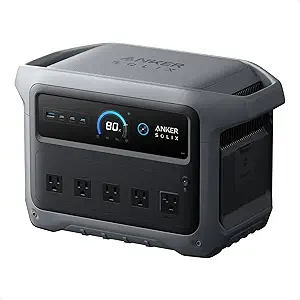
1,200 reviews
EcoFlow DELTA 3 Plus
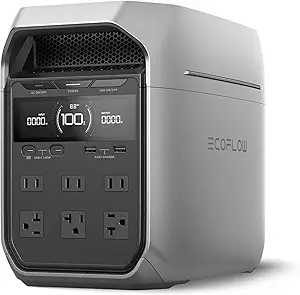
652 reviews
The real differences
Stripped of marketing. Just facts.
| Spec | Anker SOLIX C1000 Gen... | EF ECOFLOW Portable Power... | Note |
|---|---|---|---|
| Continuous Output Power | 2000W (3000W peak) | 1800W (3600W starting) | Anker provides higher continuous power for demanding appliances. |
| AC Recharge Time | 49 minutes (HyperFlash 1600W) | 56 minutes (1500W input; 80% in 40 min) | Anker reaches full charge faster, though EcoFlow hits 80% quickly. |
| Solar Recharge Time | 1.8 hours with 600W solar input | 70 minutes to full (80% in 1 hour) | EcoFlow claims quicker solar charging, even without specifying max input. |
| Number of Ports / Devices | 10 ports for up to 10 devices | 13 ports for up to 13 appliances | EcoFlow offers more outlets and USB ports. |
| Expandability | Not expandable (fixed 1,024Wh) | Expandable up to 5kWh with additional DELTA batteries | EcoFlow ecosystem allows capacity expansion. |
| Weight | 11.3 kg (24.9 lbs) | 27 lbs (12.2 kg) | Anker is lighter and easier to carry. |
| Dimensions | 15.1" x 8.2" x 9.6" | 16" x 8" x 11" | Anker has a more compact footprint. |
| Battery Lifespan | LiFePO4, 4000 cycles to 80% | LiFePO4, 4000 cycles to 80% | Both use the same chemistry and cycle life. |
2000W (3000W peak)
1800W (3600W starting)
49 minutes (HyperFlash 1600W)
56 minutes (1500W input; 80% in 40 min)
1.8 hours with 600W solar input
70 minutes to full (80% in 1 hour)
10 ports for up to 10 devices
13 ports for up to 13 appliances
Not expandable (fixed 1,024Wh)
Expandable up to 5kWh with additional DELTA batteries
11.3 kg (24.9 lbs)
27 lbs (12.2 kg)
15.1" x 8.2" x 9.6"
16" x 8" x 11"
LiFePO4, 4000 cycles to 80%
LiFePO4, 4000 cycles to 80%
What real buyers say
From 200+ reviews. Filtered for honesty.
Anker SOLIX C1000 Gen 2 Portable Power Station, 2,000W (Peak 3,000W) Solar Generator, Full Charge in 49 Min, 1,024Wh LiFePO4 Battery for Home Backup, Power Outages, and Camping (Optional Solar Panel)
Fast 49-minute AC full recharge
1+ people said this
High 2000W output covers most appliances
1+ people said this
Compact and lightweight design
1+ people said this
No expansion capability beyond built-in capacity
1+ people complained
Solar recharge is slower than some competitors
1+ people complained
EF ECOFLOW Portable Power Station DELTA 3 Plus 1024Wh, 1800W, LFP Battery | Full Charge in 56 Min, 1800W AC/140W USB-C Output, Solar Generator (Solar Panel Optional) for Home Backup, Camping&RV
Performs flawlessly, keeps fridge and appliances running
65+ people said this
Well-engineered, robust and premium feel
55+ people said this
Fully charges in under an hour with AC or solar
41+ people said this
Light enough to carry, great for camping and travel
37+ people said this
Some units turn themselves on unexpectedly
1+ people complained
Charge level can drop from 100% to 82% after full load
4+ people complained
The verdict
If you need maximum power and faster AC charging, choose the Anker SOLIX C1000; if you prefer more ports, faster solar recharge, and expandability, go with the EcoFlow DELTA 3 Plus.
If you care about Continuous Output Power · AC Recharge Time · Weight · Dimensions
If you care about Solar Recharge Time · Number of Ports / Devices · Expandability
Based on 1,852 real buyer reviews + 8 side-by-side specs.
Frequently asked questions
Which is better, Anker SOLIX C1000 Gen 2 or EcoFlow DELTA 3 Plus?
If you need maximum power and faster AC charging, choose the Anker SOLIX C1000; if you prefer more ports, faster solar recharge, and expandability, go with the EcoFlow DELTA 3 Plus.
What's the difference between Anker SOLIX C1000 Gen 2 and EcoFlow DELTA 3 Plus?
The key differences: Continuous Output Power — Anker SOLIX C1000 Gen 2: 2000W (3000W peak), EcoFlow DELTA 3 Plus: 1800W (3600W starting) (Anker provides higher continuous power for demanding appliances.); AC Recharge Time — Anker SOLIX C1000 Gen 2: 49 minutes (HyperFlash 1600W), EcoFlow DELTA 3 Plus: 56 minutes (1500W input; 80% in 40 min) (Anker reaches full charge faster, though EcoFlow hits 80% quickly.); Solar Recharge Time — Anker SOLIX C1000 Gen 2: 1.8 hours with 600W solar input, EcoFlow DELTA 3 Plus: 70 minutes to full (80% in 1 hour) (EcoFlow claims quicker solar charging, even without specifying max input.); Number of Ports / Devices — Anker SOLIX C1000 Gen 2: 10 ports for up to 10 devices, EcoFlow DELTA 3 Plus: 13 ports for up to 13 appliances (EcoFlow offers more outlets and USB ports.).
Which is better value, Anker SOLIX C1000 Gen 2 or EcoFlow DELTA 3 Plus?
Across the specs we compared, Anker SOLIX C1000 Gen 2 comes out ahead on 4 and EcoFlow DELTA 3 Plus on 3. The better value depends on which of those wins matter most for how you'll use it — check live pricing on Amazon and weigh it against the pros and cons above.
Is the Anker SOLIX C1000 Gen 2 worth it?
Reviewers most often highlight: "Fast 49-minute AC full recharge." The most common complaint: "No expansion capability beyond built-in capacity." Weigh that against the EcoFlow DELTA 3 Plus using the full pros and cons above to decide.
Is the EcoFlow DELTA 3 Plus worth it?
Reviewers most often highlight: "Performs flawlessly, keeps fridge and appliances running." The most common complaint: "Some units turn themselves on unexpectedly." Weigh that against the Anker SOLIX C1000 Gen 2 using the full pros and cons above to decide.
How is this Anker SOLIX C1000 Gen 2 vs EcoFlow DELTA 3 Plus comparison made?
It's based on AI analysis of 1,852 Amazon customer reviews (1,200 for Anker SOLIX C1000 Gen 2, 652 for EcoFlow DELTA 3 Plus) alongside the full specifications of both products.
Deep dives
Related comparisons
Shop smarter with Ask Versa AI
Get occasional product-comparison tips and new features as they ship. No spam.