Bambu Lab P1S vs Qidi Q2: Which Is Better?
Bambu Lab P1S
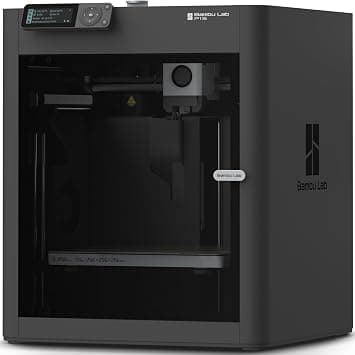
392 reviews
Watching $399.00 — we'll email you the moment it drops
Qidi Q2
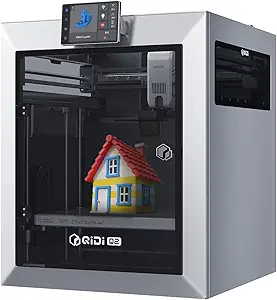
163 reviews
Watching $499.00 — we'll email you the moment it drops
The real differences
Stripped of marketing. Just facts.
| Spec | Bambu Lab P1S 3D... | QIDI Q2 3D Printer,... | Note |
|---|---|---|---|
| Maximum Print Speed | Up to 500 mm/s with 20,000 mm/s² acceleration | Up to 600 mm/s on a full-metal CoreXY with precision linear rails | Q2 has a higher rated top speed; P1S counters with a very high stated acceleration for fast direction changes. |
| Build Chamber | Fully enclosed (passive) chamber, no active heating | 2nd-generation PTC actively heated chamber up to 65°C | Active heat minimizes warping and improves layer adhesion on ABS/ASA/PA, where an unheated enclosure only traps ambient heat. |
| Advanced Material Support | PLA, PETG, TPU, PVA, PET, ABS, ASA ideal; PA/PC capable; carbon/glass-fiber reinforced polymers NOT recommended | 370°C nozzle unlocks PLA, ABS, PETG, TPU, PA, PC and carbon/glass-fiber composites | |
| Multi-Color / Multi-Material | Up to 16 colors via Bambu Lab AMS (sold separately) | Up to 16 colors via QIDI BOX with dry-while-print filament drying (sold separately) | Both need an optional multi-material unit; the QIDI BOX adds active drying while the AMS is a more mature, widely supported ecosystem. |
| Filtration & Indoor Safety | Enclosed body; no filtration system specified | Triple filtration (G3 pre-filter + H12 HEPA + activated carbon), flame-retardant chamber | Only the Q2 explicitly addresses odors and airborne particles for indoor use. |
| Setup & Leveling | Assembles/sets up in about 15 minutes; fully automatic bed leveling | Arrives fully assembled; nozzle itself acts as the leveling sensor for first-layer accuracy | Both are essentially plug-and-play, but with different leveling approaches (bed probing vs. nozzle-based sensing). |
| Software & Ecosystem | Bambu Studio + MakerWorld, highly polished but relatively closed ecosystem | QIDI Slicer on a Klipper-based system with editable macros; reviewers note it is less closed-source | Tinkerers and Klipper users get more flexibility with QIDI; beginners may prefer Bambu's more guided experience. |
| Customer Rating | 4.4/5 from 392 reviews | 4.2/5 from 163 reviews | The P1S has a larger review base and slightly higher average score, though both report mixed build-quality experiences. |
Up to 500 mm/s with 20,000 mm/s² acceleration
Up to 600 mm/s on a full-metal CoreXY with precision linear rails
Fully enclosed (passive) chamber, no active heating
2nd-generation PTC actively heated chamber up to 65°C
PLA, PETG, TPU, PVA, PET, ABS, ASA ideal; PA/PC capable; carbon/glass-fiber reinforced polymers NOT recommended
370°C nozzle unlocks PLA, ABS, PETG, TPU, PA, PC and carbon/glass-fiber composites
Up to 16 colors via Bambu Lab AMS (sold separately)
Up to 16 colors via QIDI BOX with dry-while-print filament drying (sold separately)
Enclosed body; no filtration system specified
Triple filtration (G3 pre-filter + H12 HEPA + activated carbon), flame-retardant chamber
Assembles/sets up in about 15 minutes; fully automatic bed leveling
Arrives fully assembled; nozzle itself acts as the leveling sensor for first-layer accuracy
Bambu Studio + MakerWorld, highly polished but relatively closed ecosystem
QIDI Slicer on a Klipper-based system with editable macros; reviewers note it is less closed-source
4.4/5 from 392 reviews
4.2/5 from 163 reviews
What real buyers say
From 200+ reviews. Filtered for honesty.
Bambu Lab P1S 3D Printer, Ready-to-Use FDM 3D Printer
Excellent print quality and consistent results for the price class
83+ people said this
Reliable—works right out of the box and keeps running with minimal fuss
36+ people said this
Very easy to use and beginner friendly with PLA and ABS
37+ people said this
Quick, simple setup; ready to print in minutes
26+ people said this
Inconsistent build quality—some units reportedly broke or arrived damaged
10+ people complained
First-layer adhesion problems with PLA/PETG reported by several owners
5+ people complained
Ran prints without extruding filament, wasting material (no reliable clog/filament detection)
3+ people complained
QIDI Q2 3D Printer, 65℃ Heated Chamber and 370℃ Nozzle Unlock PPS-CF
Great print quality once dialed in, with flawless first layers
52+ people said this
Easy to assemble and use; suitable for beginners and experienced users
10+ people said this
Fast printing with a solid, rigid CoreXY build
10+ people said this
Handles engineering/industrial filaments (ABS, PC, composites) with only a nozzle upgrade
8+ people said this
Print quality is inconsistent across units—some report unusable machines or failed self-tests
24+ people complained
Build quality complaints: thin plastic in places, issues with the front glass door
3+ people complained
Hardware faults and error messages (e.g., cooling fan self-test failure) requiring support
3+ people complained
The verdict
Watching $499.00 — we'll email you the moment it drops
Our pick: Qidi Q2. If you want a polished, beginner-friendly printer that reliably produces great PLA/ABS parts straight out of the box, choose the Bambu Lab P1S; if you need a heated 65°C chamber and a 370°C nozzle for engineering filaments like carbon-fiber composites, along with built-in filtration and Klipper flexibility, go with the QIDI Q2.
Choose this if: Maximum Print Speed · Build Chamber · Advanced Material Support · Filtration & Indoor Safety
Buy at best priceBased on 555 real buyer reviews + 8 side-by-side specs.
Compare products without leaving Amazon
Install the free Ask Versa AI extension — compare any two products from any page, right-click for a verdict. Chrome, Edge, Brave & Firefox.
Get the extensionFrequently asked questions
Which is better, Bambu Lab P1S or Qidi Q2?
If you want a polished, beginner-friendly printer that reliably produces great PLA/ABS parts straight out of the box, choose the Bambu Lab P1S; if you need a heated 65°C chamber and a 370°C nozzle for engineering filaments like carbon-fiber composites, along with built-in filtration and Klipper flexibility, go with the QIDI Q2.
What's the difference between Bambu Lab P1S and Qidi Q2?
The key differences: Maximum Print Speed — Bambu Lab P1S: Up to 500 mm/s with 20,000 mm/s² acceleration, Qidi Q2: Up to 600 mm/s on a full-metal CoreXY with precision linear rails (Q2 has a higher rated top speed; P1S counters with a very high stated acceleration for fast direction changes.); Build Chamber — Bambu Lab P1S: Fully enclosed (passive) chamber, no active heating, Qidi Q2: 2nd-generation PTC actively heated chamber up to 65°C (Active heat minimizes warping and improves layer adhesion on ABS/ASA/PA, where an unheated enclosure only traps ambient heat.); Advanced Material Support — Bambu Lab P1S: PLA, PETG, TPU, PVA, PET, ABS, ASA ideal; PA/PC capable; carbon/glass-fiber reinforced polymers NOT recommended, Qidi Q2: 370°C nozzle unlocks PLA, ABS, PETG, TPU, PA, PC and carbon/glass-fiber composites; Filtration & Indoor Safety — Bambu Lab P1S: Enclosed body; no filtration system specified, Qidi Q2: Triple filtration (G3 pre-filter + H12 HEPA + activated carbon), flame-retardant chamber (Only the Q2 explicitly addresses odors and airborne particles for indoor use.).
Which is better value, Bambu Lab P1S or Qidi Q2?
Across the specs we compared, Bambu Lab P1S comes out ahead on 1 and Qidi Q2 on 5. The better value depends on which of those wins matter most for how you'll use it — check live pricing on Amazon and weigh it against the pros and cons above.
Is the Bambu Lab P1S worth it?
Reviewers most often highlight: "Excellent print quality and consistent results for the price class." The most common complaint: "Inconsistent build quality—some units reportedly broke or arrived damaged." Weigh that against the Qidi Q2 using the full pros and cons above to decide.
Is the Qidi Q2 worth it?
Reviewers most often highlight: "Great print quality once dialed in, with flawless first layers." The most common complaint: "Print quality is inconsistent across units—some report unusable machines or failed self-tests." Weigh that against the Bambu Lab P1S using the full pros and cons above to decide.
How is this Bambu Lab P1S vs Qidi Q2 comparison made?
It's based on AI analysis of 555 Amazon customer reviews (392 for Bambu Lab P1S, 163 for Qidi Q2) alongside the full specifications of both products.
Deep dives
Related comparisons
Shop smarter with Ask Versa AI
Get occasional product-comparison tips and new features as they ship. No spam.